
The A66 Northern Trans-Pennine Project
Start Date
October 2024 - Ongoing
Location
Cumbria
Time Period
Bronze Age,
Medieval,
Mesolithic,
Neolithic,
Palaeolithic,
Post Medieval,
Roman,
Client
Aureos,
Balfour Beatty-Atkins,
Kier,
National Highways,
A routeway through time
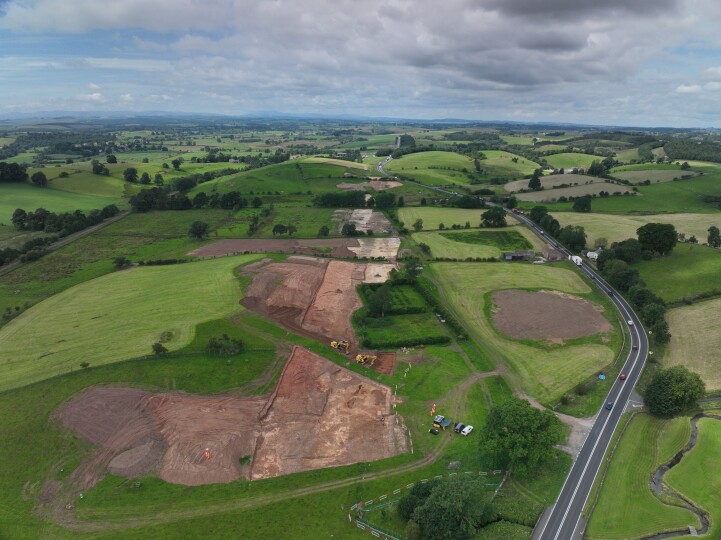
Beneath the rolling hills and sweeping valleys of the A66 Northern Trans-Pennine lies a story that stretches back more than 10,000 years. From the fertile Eden Valley to the windswept heights of the Stainmore Pass, this landscape has served as a vital corridor for people, trade, and travel for millennia.
Today, the modern A66 remains just as essential, connecting communities, supporting commerce, and welcoming visitors to northern England – but this story reaches far beyond the tarmac.
Video: drone footage of the A66 and surrounding areas.
Our work along the A66 Northern Trans-Pennine
As the A66 undergoes its latest vital upgrade, Oxford Cotswold Archaeology (OCA), in partnership with National Highways, is bringing these hidden stories to light. Initial evaluation work began in 2024, followed by full‑scale excavations that have been underway since January 2025 along a 21‑mile stretch of the route.
So far, our work has revealed extraordinary glimpses into the lives of those who travelled this ancient corridor – uncovering prehistoric settlements, the original Roman road, and the remains of a bustling Roman vicus. Explore the web-links for each scheme to see our discoveries and uncover the remarkable history that lies just beneath the modern A66.
We would like to thank all of our partners for their continued collaboration and support throughout this project. We deeply value the shared dedication to understanding our shared heritage across the A66 project.

Sites
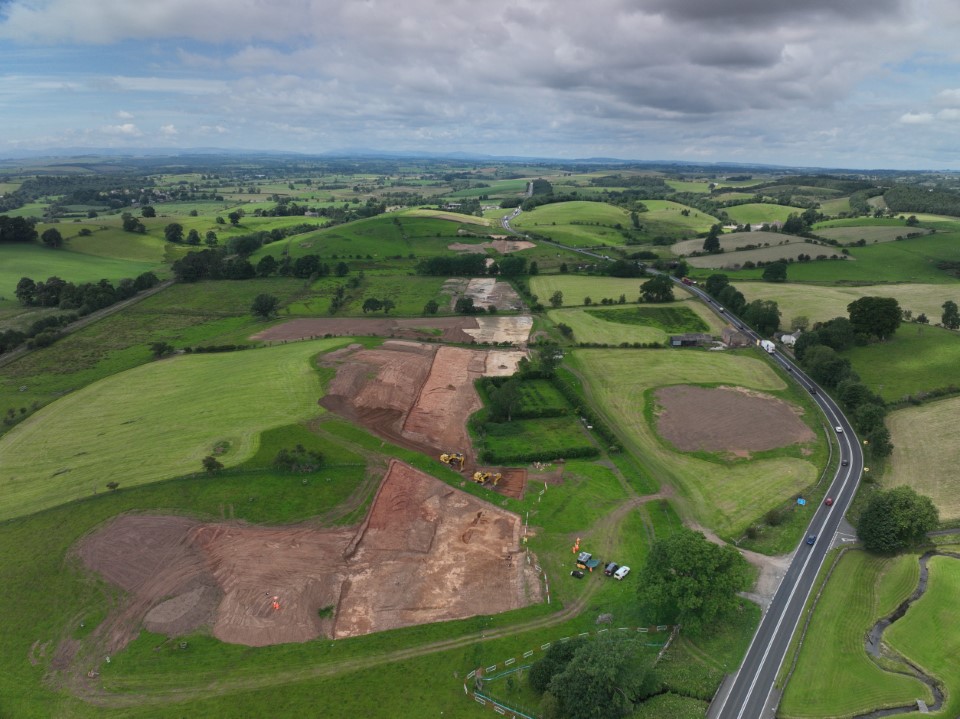
North-West of Warcop
Around the village of Brough along the Upper Eden valley, Archaeologists have uncovered the original Roman road and with it evidence highlighting the importance of this routeway throughout history
Flitholme
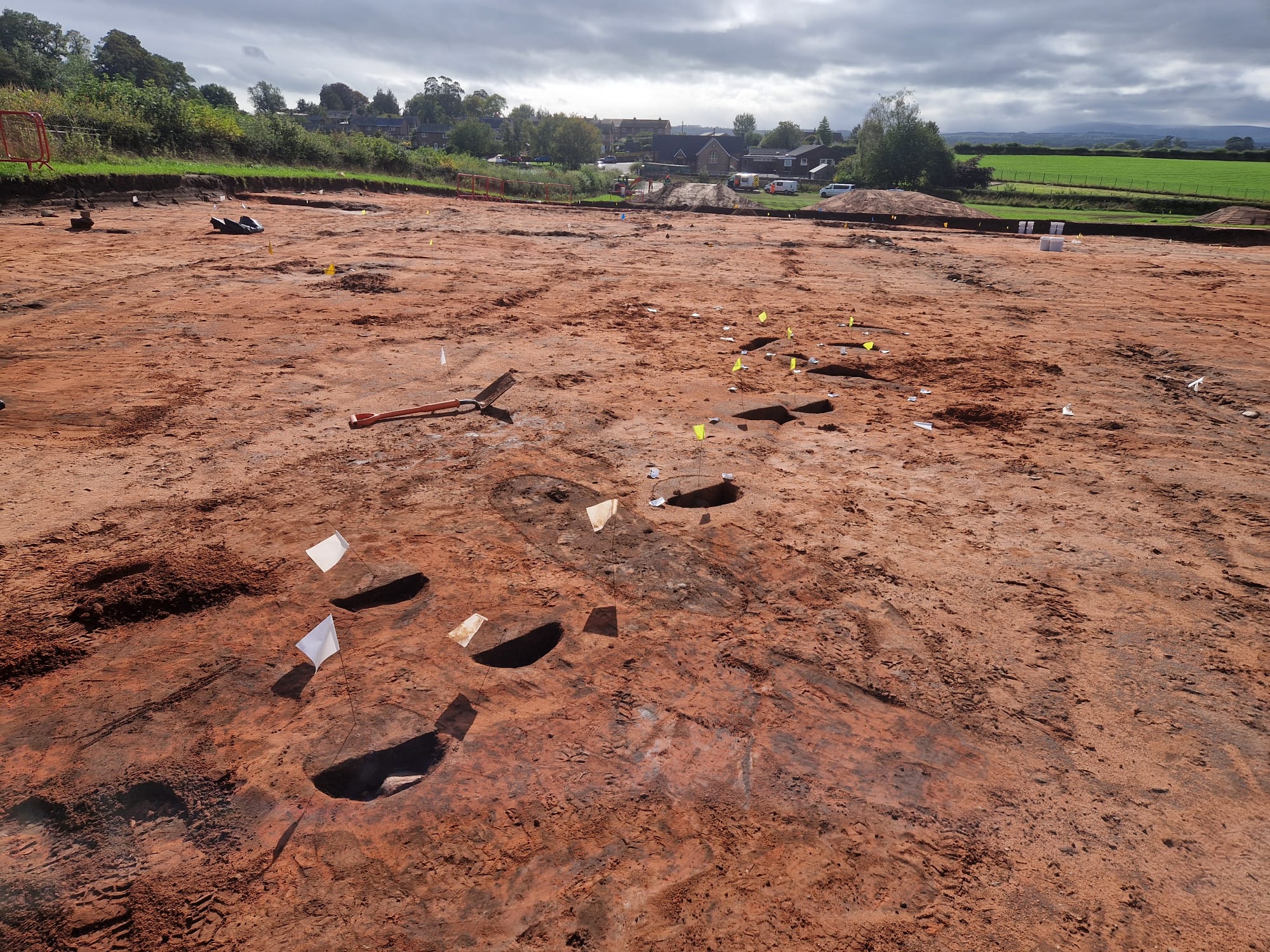
Excavations near the small hamlet of Flitholme are uncovering some wonderful archaeological features, with on-going works revealing more and more as archaeologists progress.
East of Brougham Castle Farm, Penrith
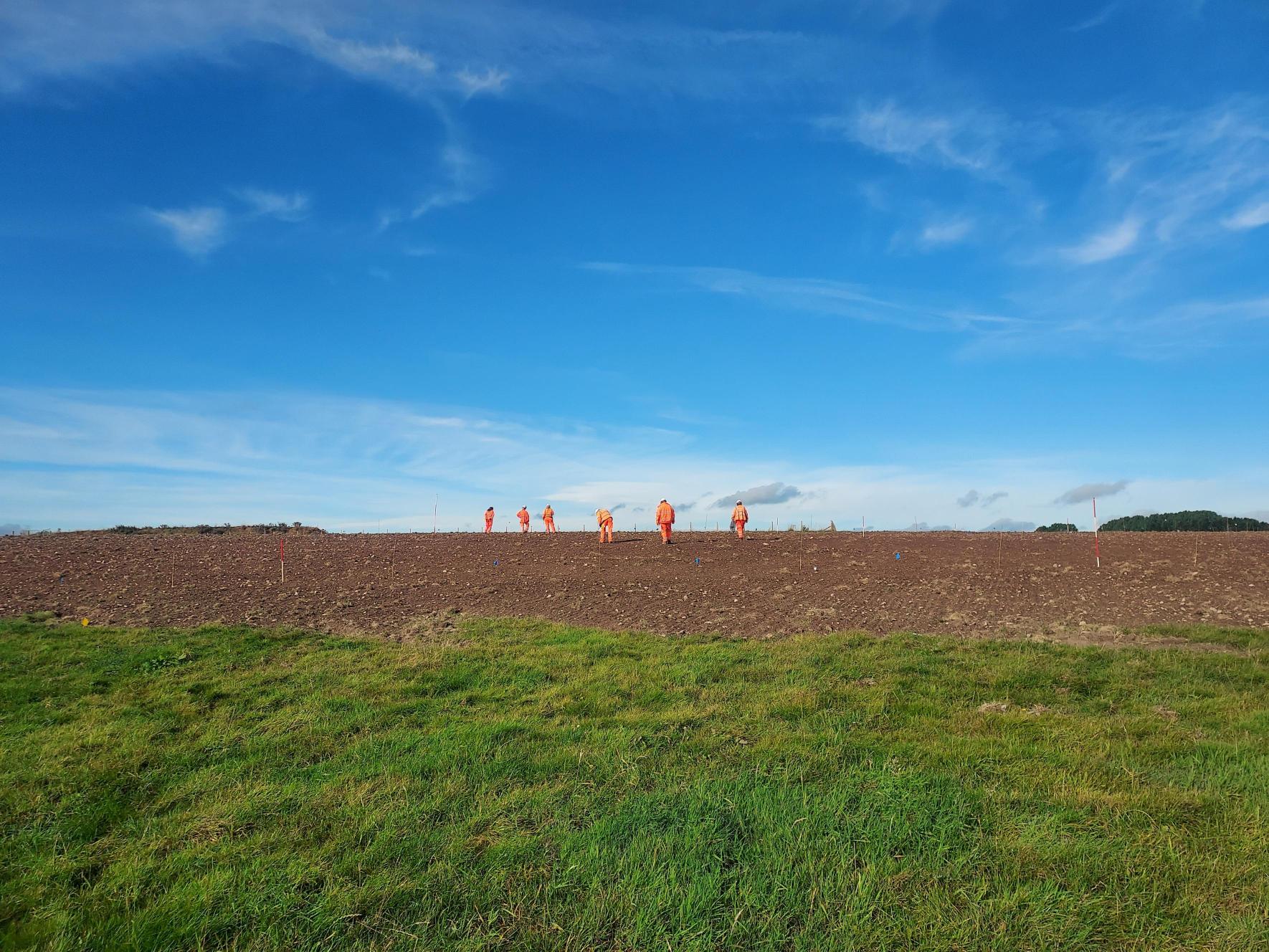
Excavations along the A66 near Penrith and Brougham castle have uncovered a Roman cemetery, vicus settlement and with it a treasure trove of artefacts – click to explore
Kirkby Thore
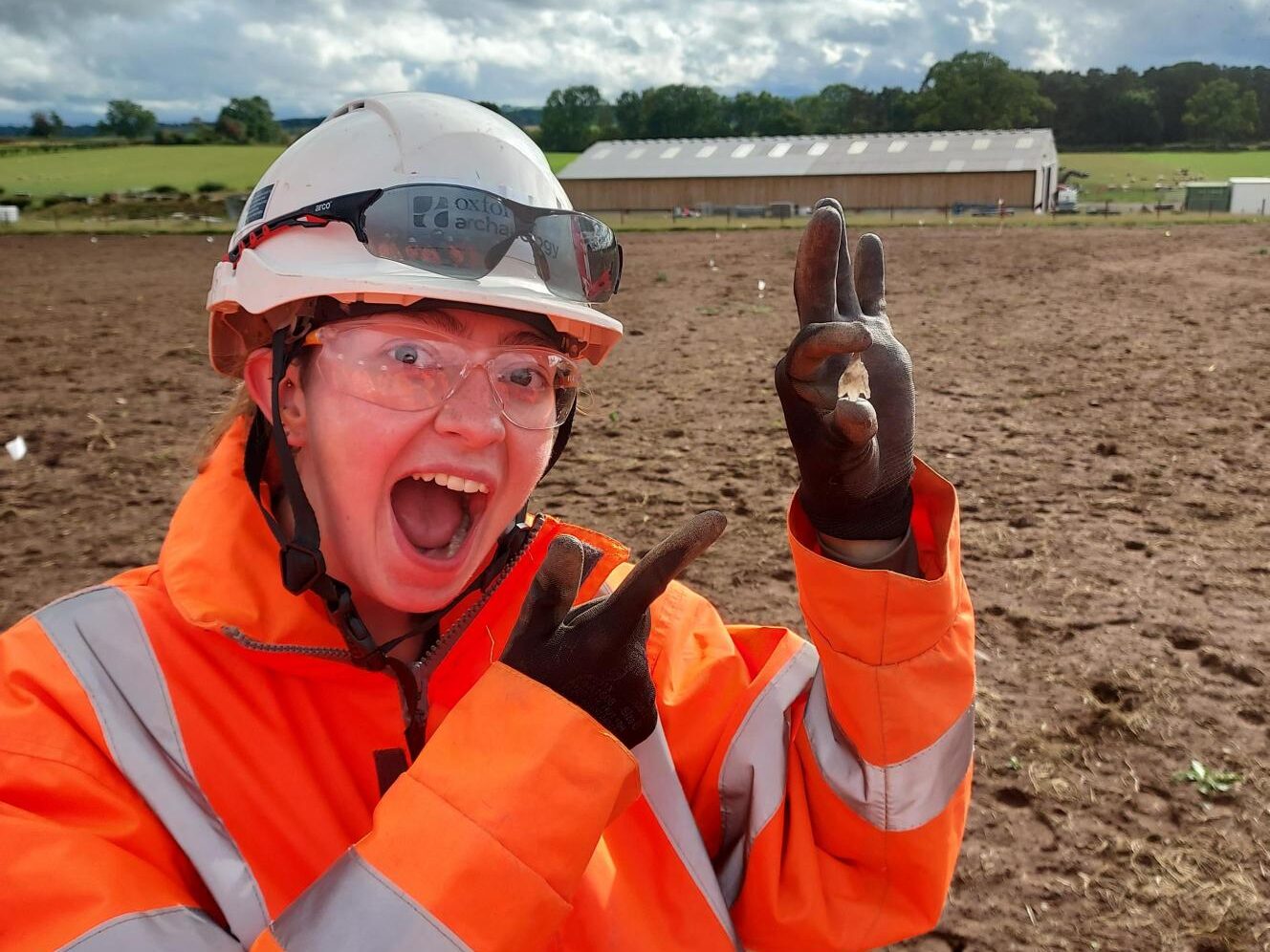
Starting in the summer of 2025, Oxford Cotswold Archaeology (OCA) are undertaking work around the Kirkby Thore area for the new A66 bypass route. These excavations have already uncovered fresh evidence of Cumbria’s prehistoric, Roman, and medieval past.
Prehistoric monuments, Roman remains, and medieval castles still line this ancient routeway. Enduring markers of its longstanding importance. Each tells a chapter in the human story along the A66.
From the first hunter-gatherers who roamed its valleys, to the Roman soldiers who engineered roads and forts, and the medieval lords who raised castles to guard its strategic crossings.
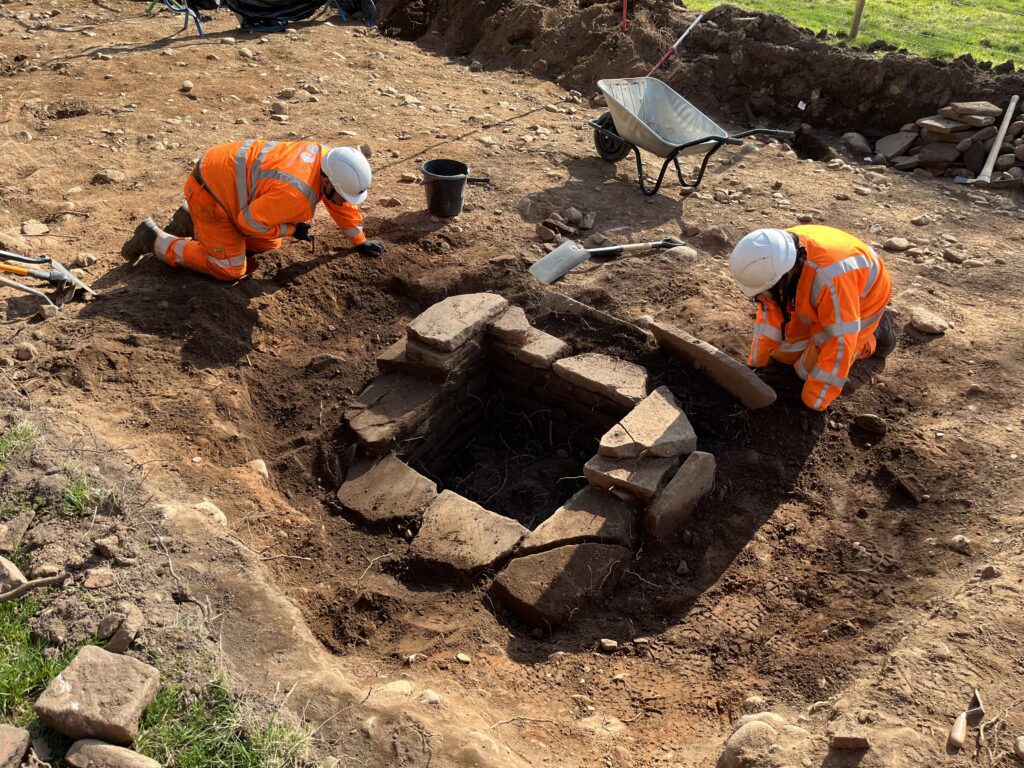
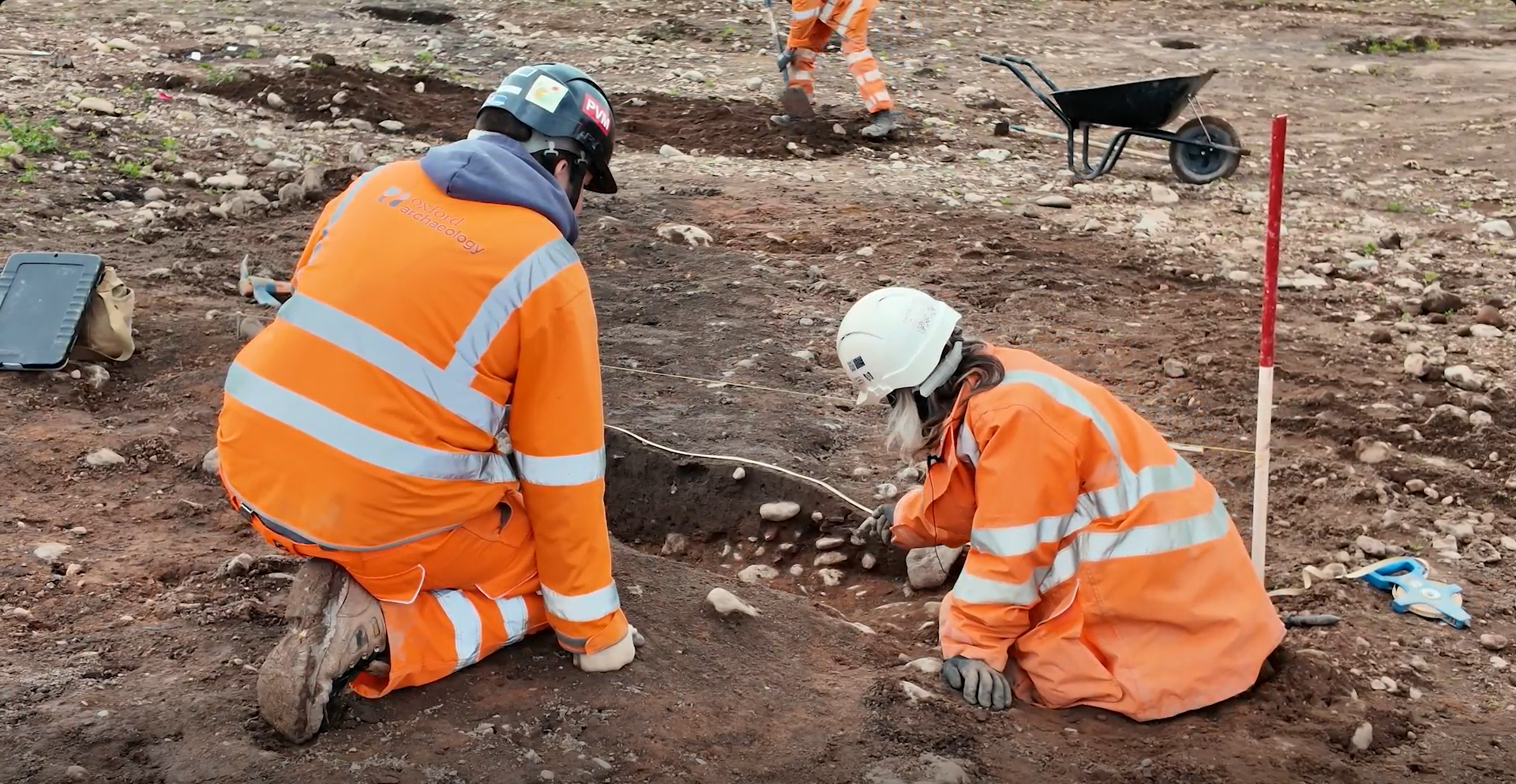
Image: archaeologists excavating a stone-lined Roman well.
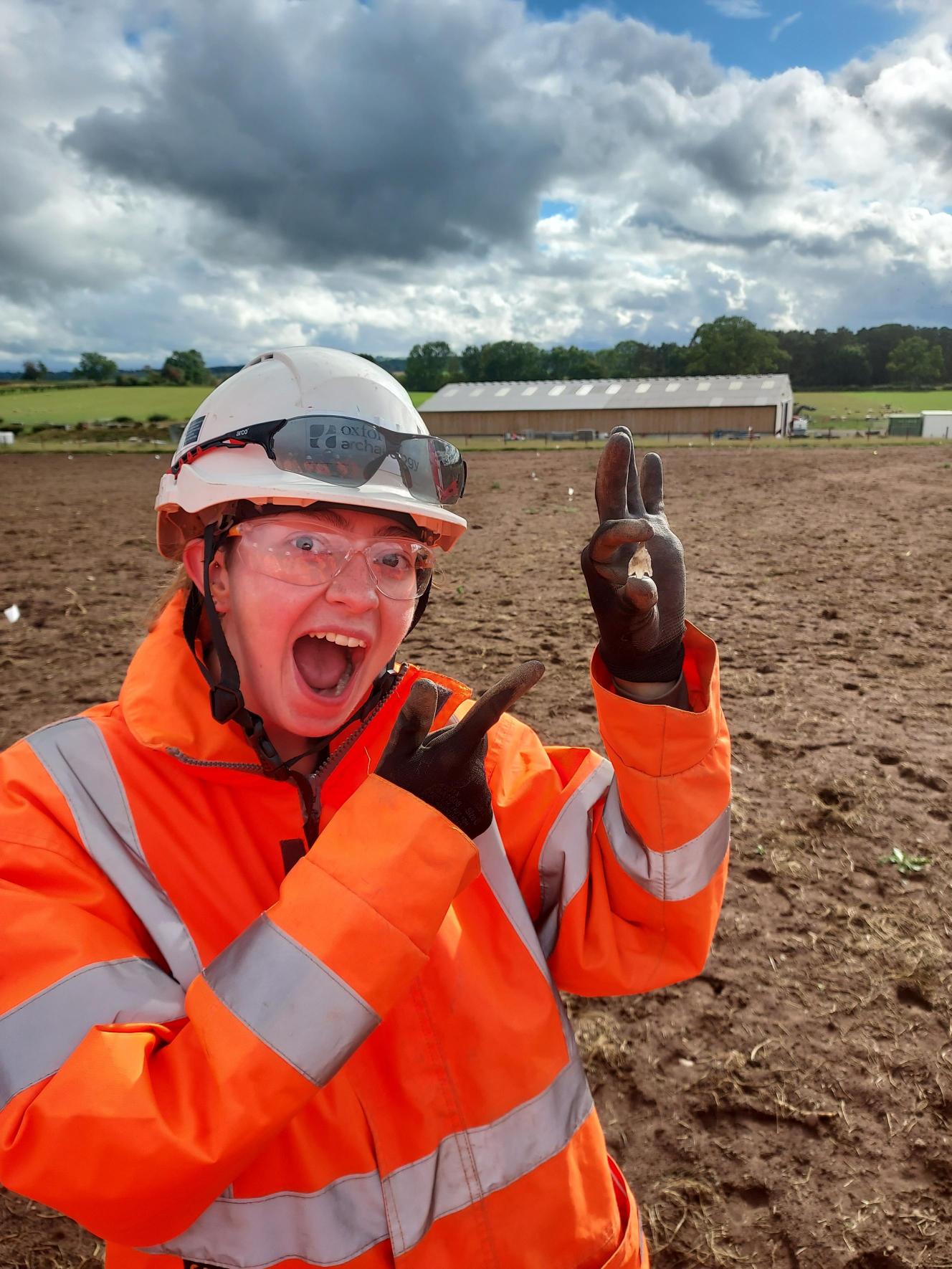
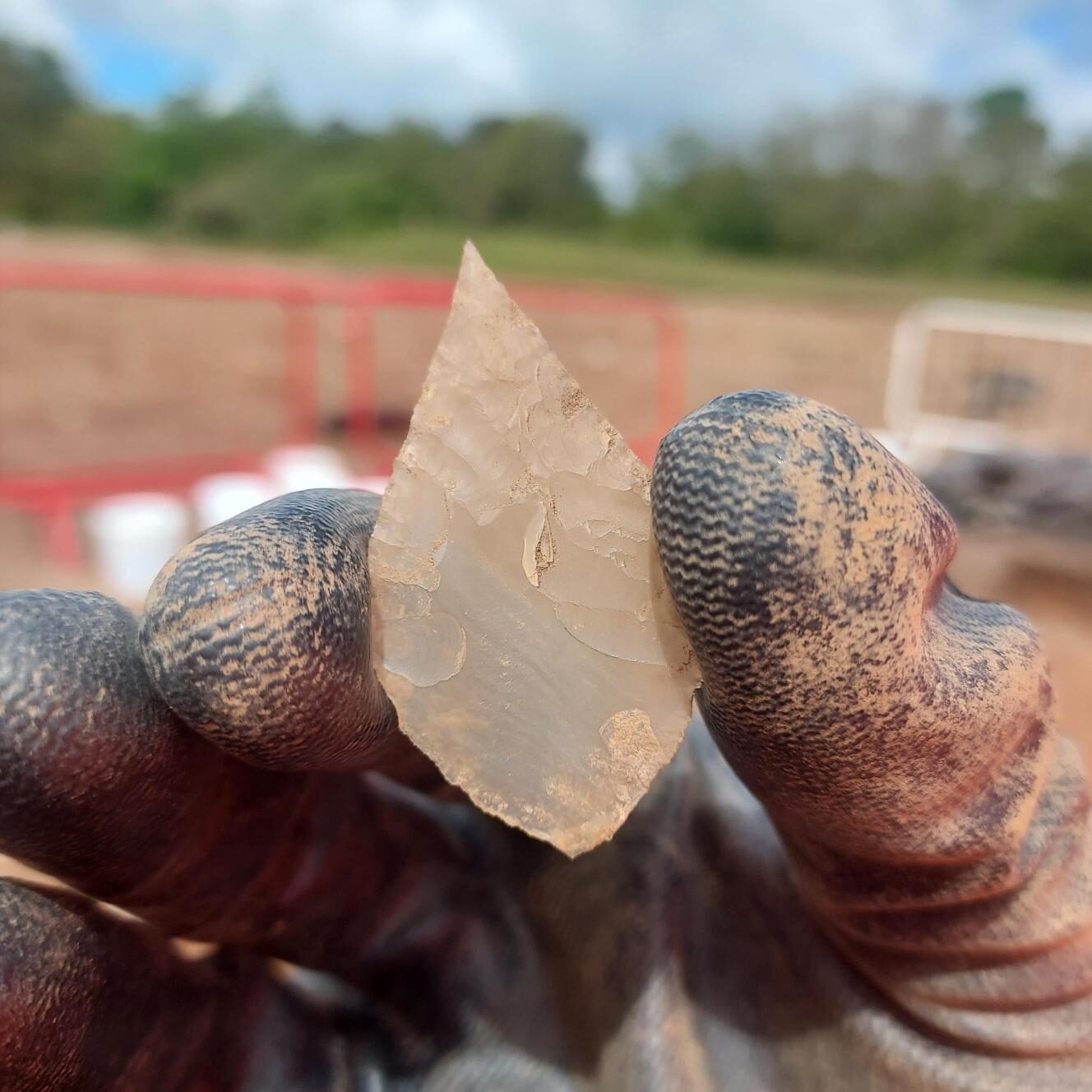
Archaeologist with Bronze Age flint arrowhead
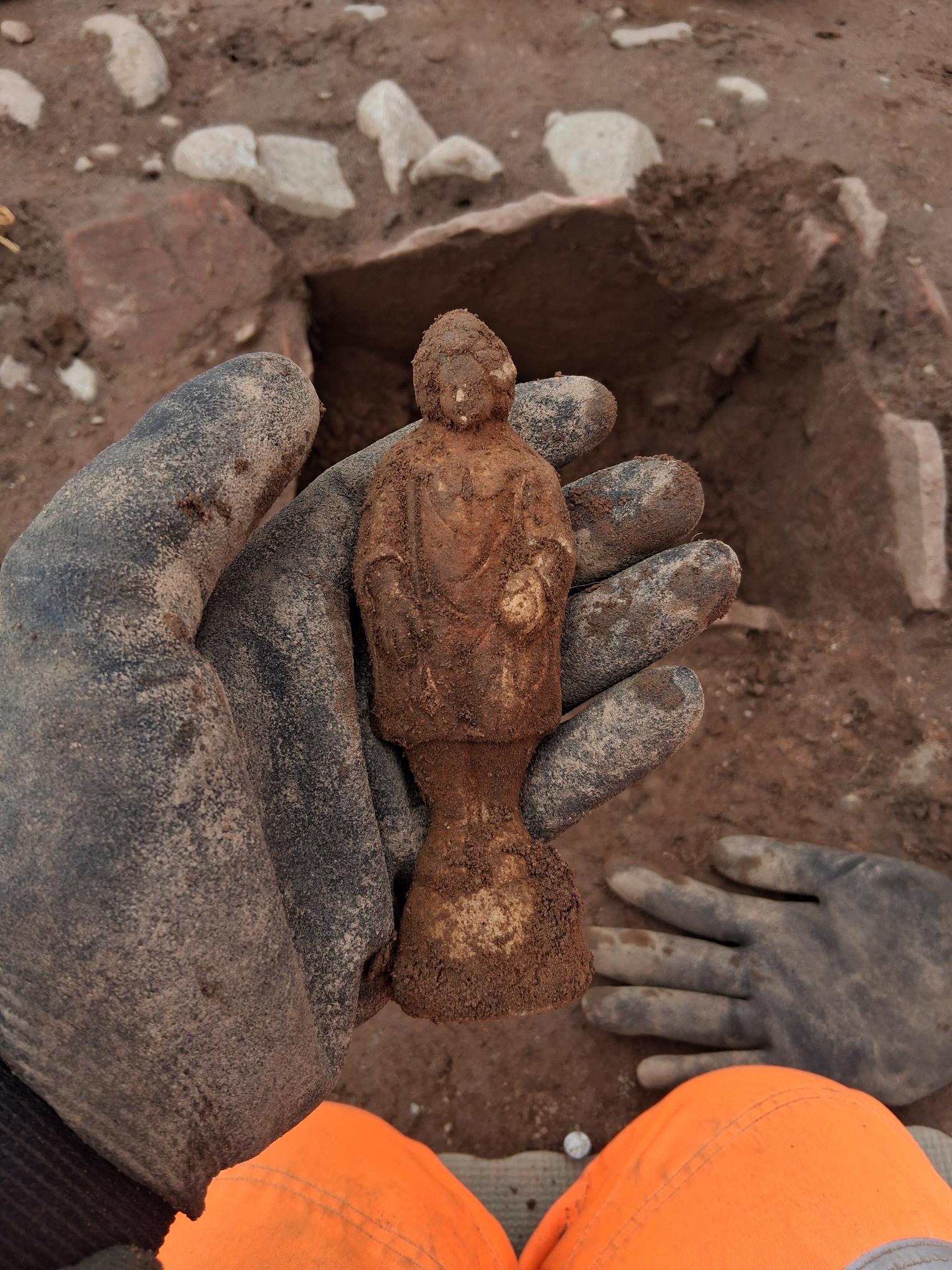
Pipeclay figurine
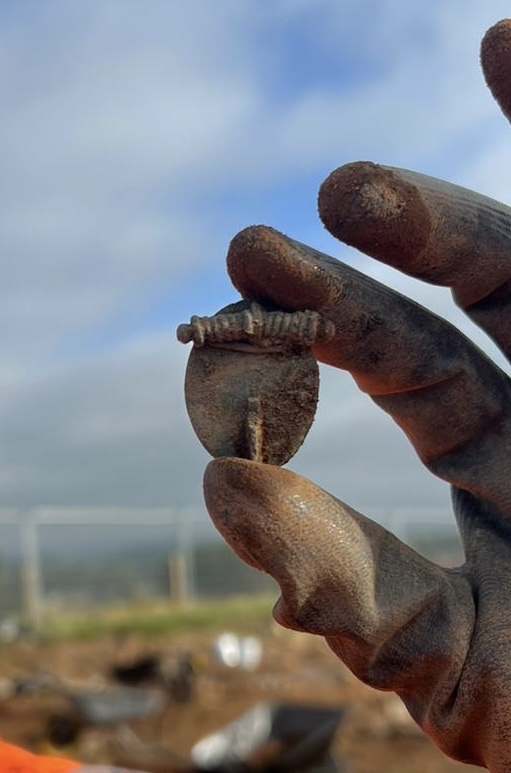
Roman metal brooch
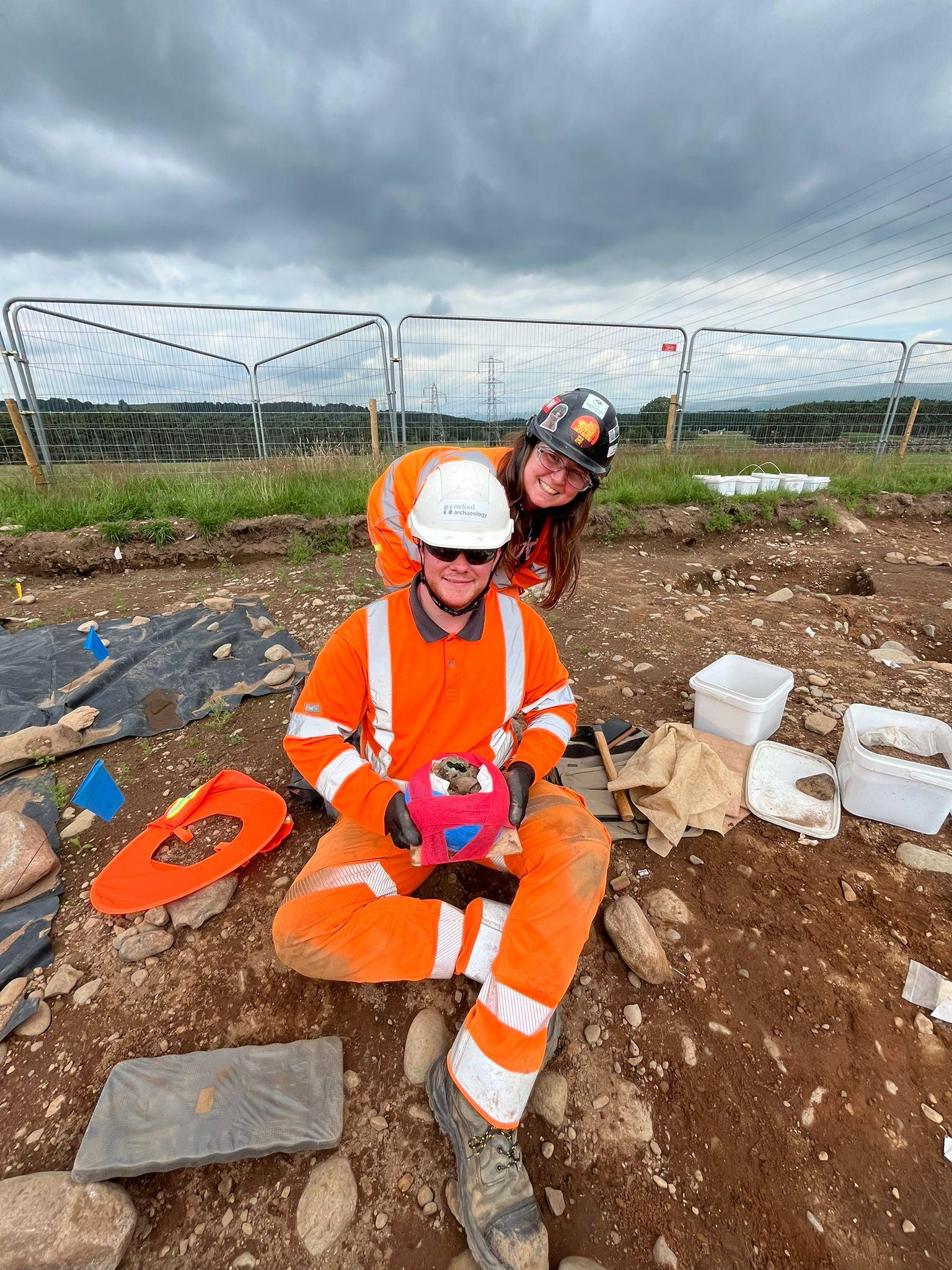
Archaeologists with lifted and wrapped pottery
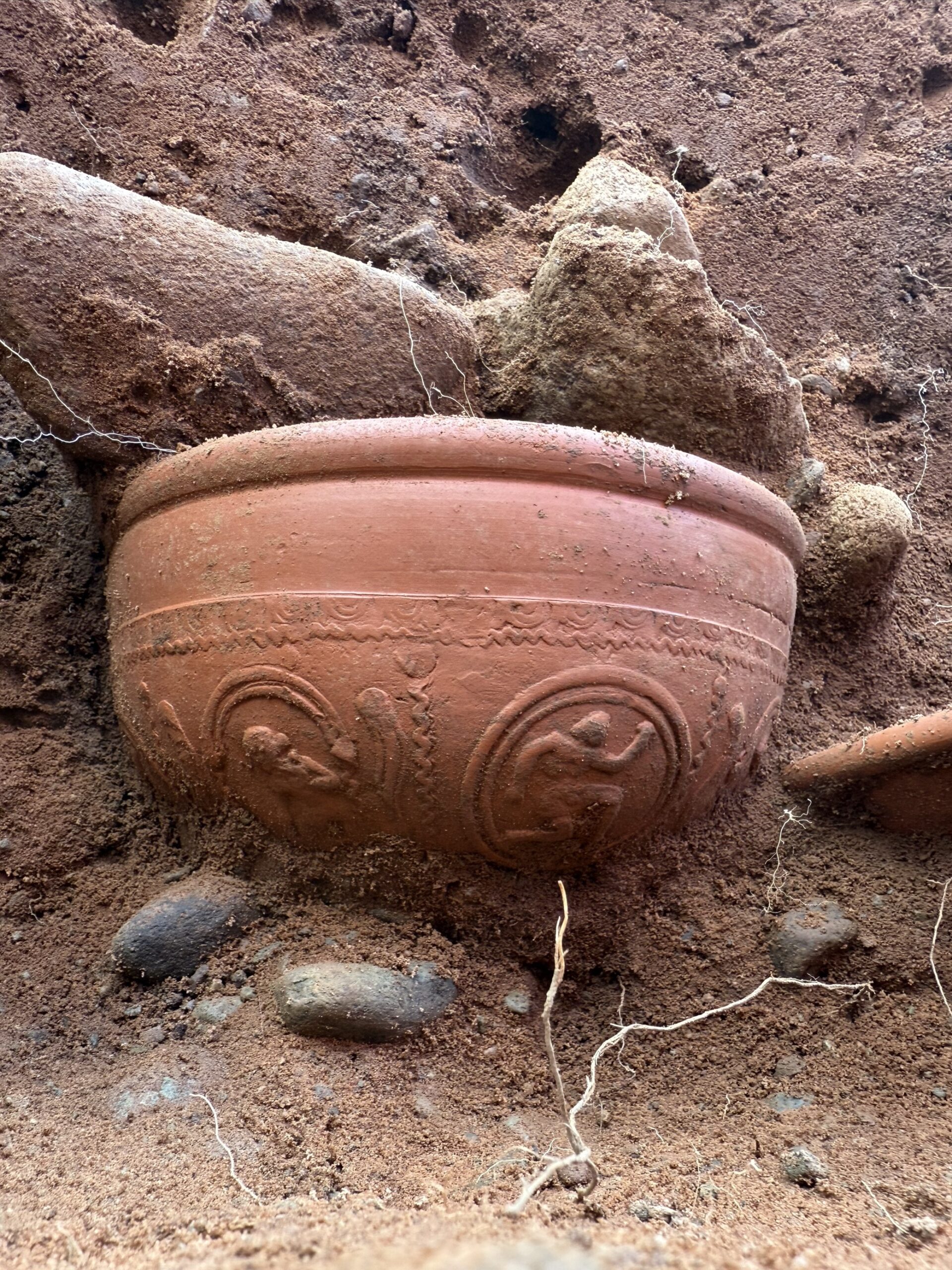
Decorated Roman samian vessel within cremation burial
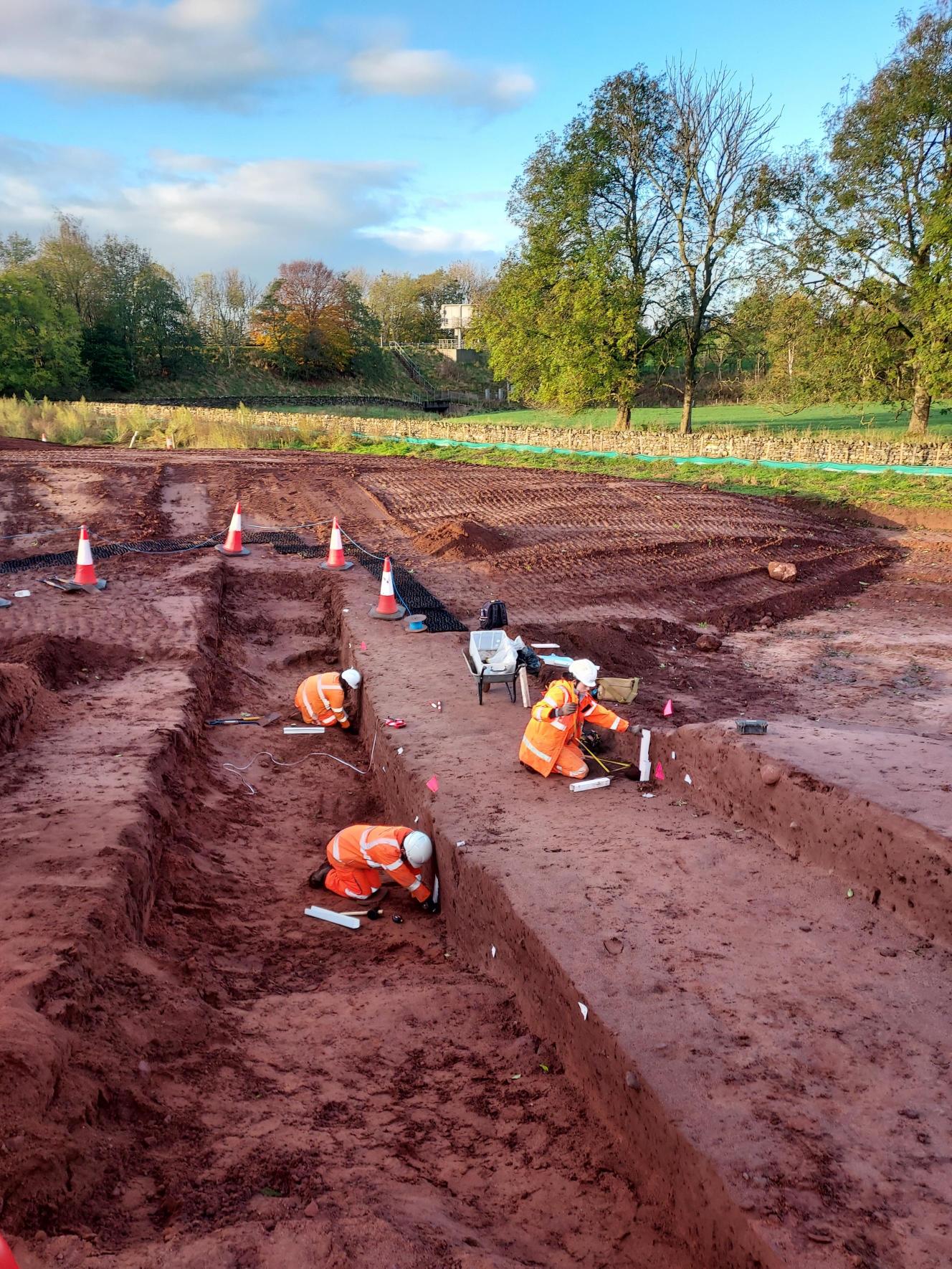
Archaeologists undertaken geoarchaeological investigations
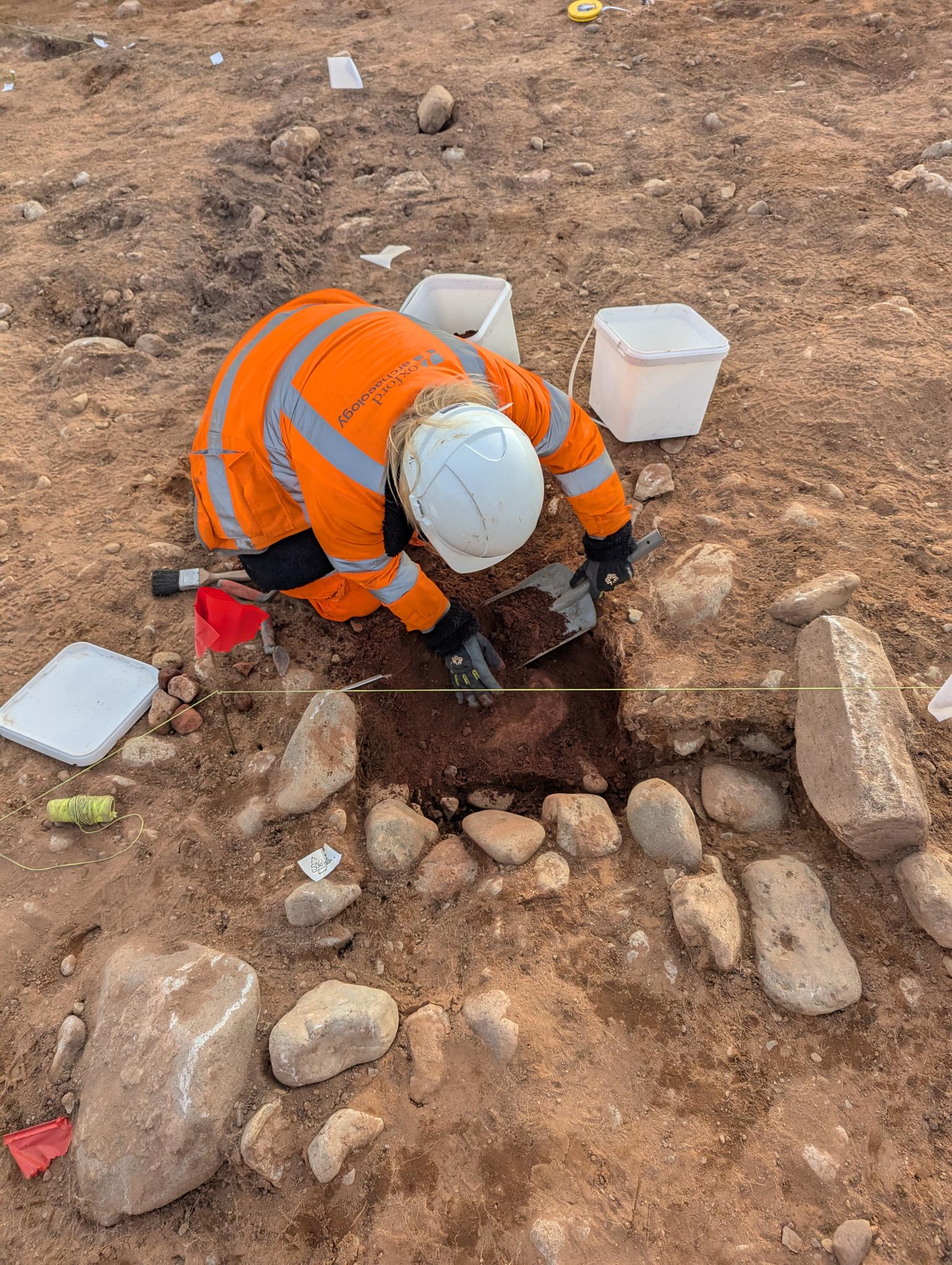
Excavation of stone lined pit
Aerial photograph of the Roman road next to the modern A66
Events
Tullie Museum
Join us at Warcop Parish Hall for a chance to explore fascinating archaeological discoveries from the A66 Northern Trans-Pennine project and learn more about the area’s rich heritage.
Event Date
14th November 2026
Location
Cumbria
The Rooms, Penrith
Join us at Warcop Parish Hall for a chance to explore fascinating archaeological discoveries from the A66 Northern Trans-Pennine project and learn more about the area’s rich heritage.
Event Date
30th October 2026
Location
Cumbria
Kirkby Thore Memorial Hall
Join us at Warcop Parish Hall for a chance to explore fascinating archaeological discoveries from the A66 Northern Trans-Pennine project and learn more about the area’s rich heritage.
Event Date
24th October 2026
Location
Cumbria
Recent News

Project
How Soil Samples Are Revealing New Stories from the Brocavum Roman Cemetery
Nearly a year ago, our archaeologists were excavating one of the largest Roman cemeteries in Britain. However, the work is far from over. Since the excavation concluded, our environmental specialists have been carefully processing many hundreds of soil samples from the cemetery site. Discover the latest finds from these samples and what they are revealing about the Roman population and cemetery.
Date Written
3rd August 2026
Project
Early Medieval settlement discovered during the A66 excavations
Join archaeologists on the A66 Northern Trans-Pennine Project as they uncover an early medieval settlement near Kirkby Thore, Cumbria. Discover evidence of textile production, charred grain, and how specialist teams interpret archaeological discoveries.
Date Written
6th July 2026
Project
Scattered Clues: Investigating Prehistoric Flint on the A66
Along the A66 Northern Trans-Pennine project, excavations have uncovered several lithic scatters — concentrations of worked stone — that reveal how people once moved through, used, and returned to this landscape thousands of years ago. Read more Here.
Date Written
17th June 2026
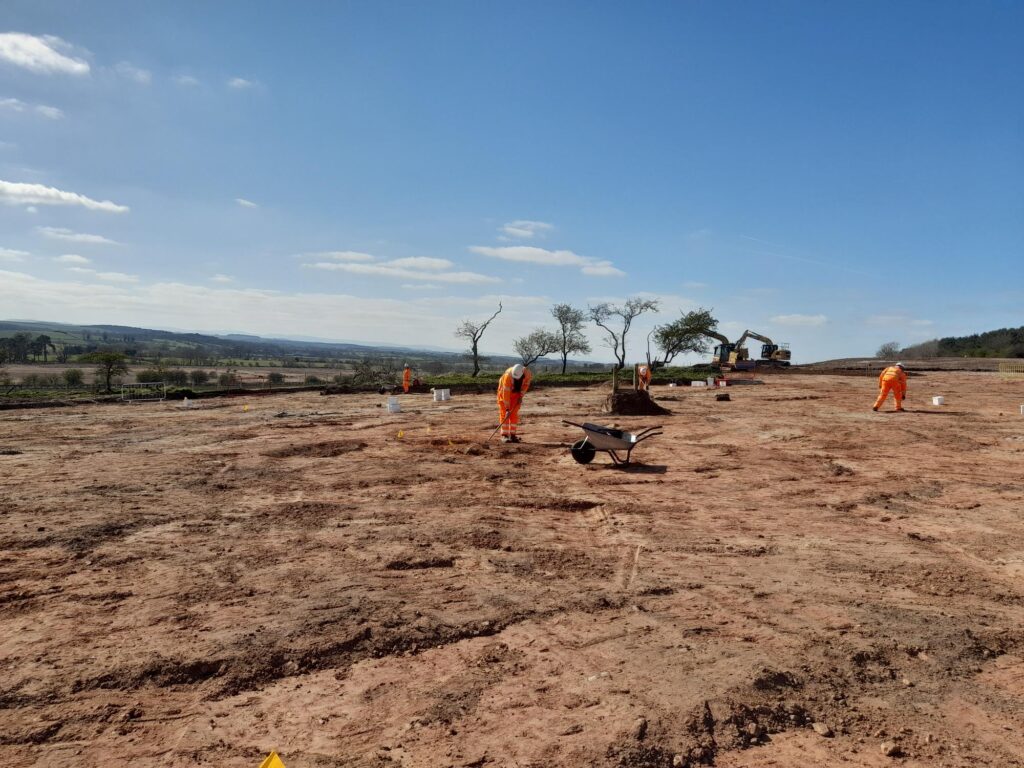
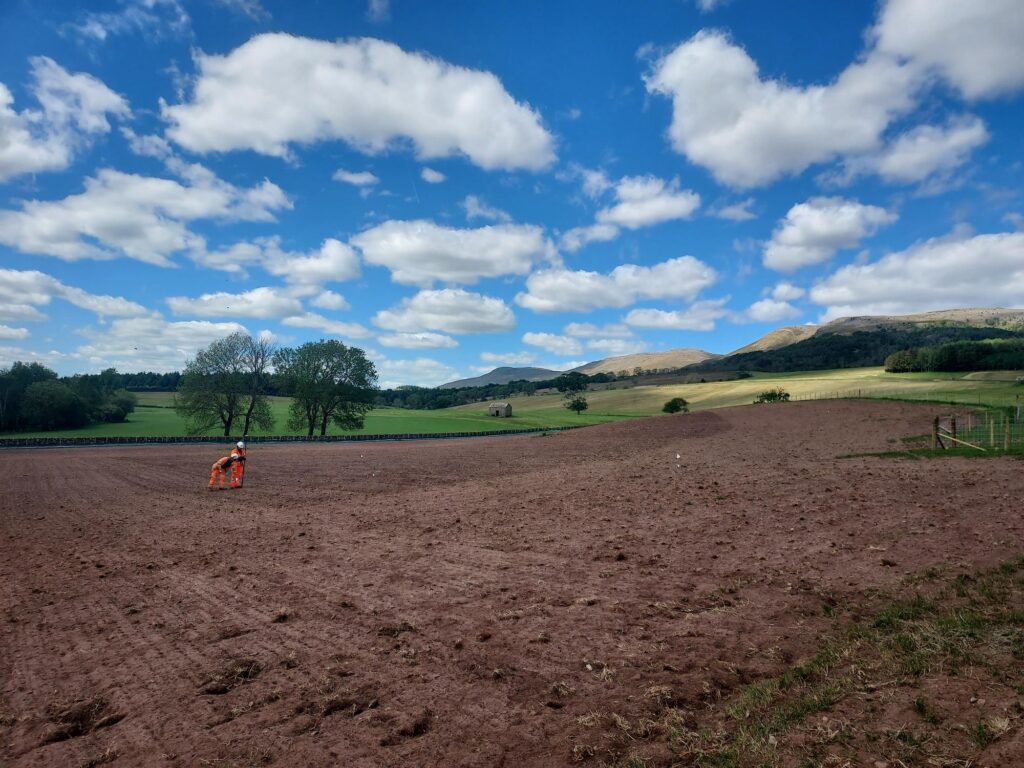
Images: archaeologists working on sites across the A66 route.