
How Soil Samples Are Revealing New Stories from the Brocavum Roman Cemetery
Date Written
3 August 2026

Nearly a year ago, our archaeologists were excavating one of the largest Roman cemeteries in Britain. Located near the Roman fort of Brocavum (now the site of Brougham Castle) and its associated vicus settlement in Cumbria, the cemetery formed part of a thriving Roman landscape where people lived, worked and travelled through nearly 2000 years ago.
The excavation uncovered an extraordinary glimpse into life and death in Roman Britain, revealing a remarkable collection of burials and artefacts.
However, the work is far from over. Since the excavation concluded, our environmental specialists have been carefully processing many hundreds of soil samples from the cemetery site. This ongoing research is continuing to uncover new details about the people laid to rest here.
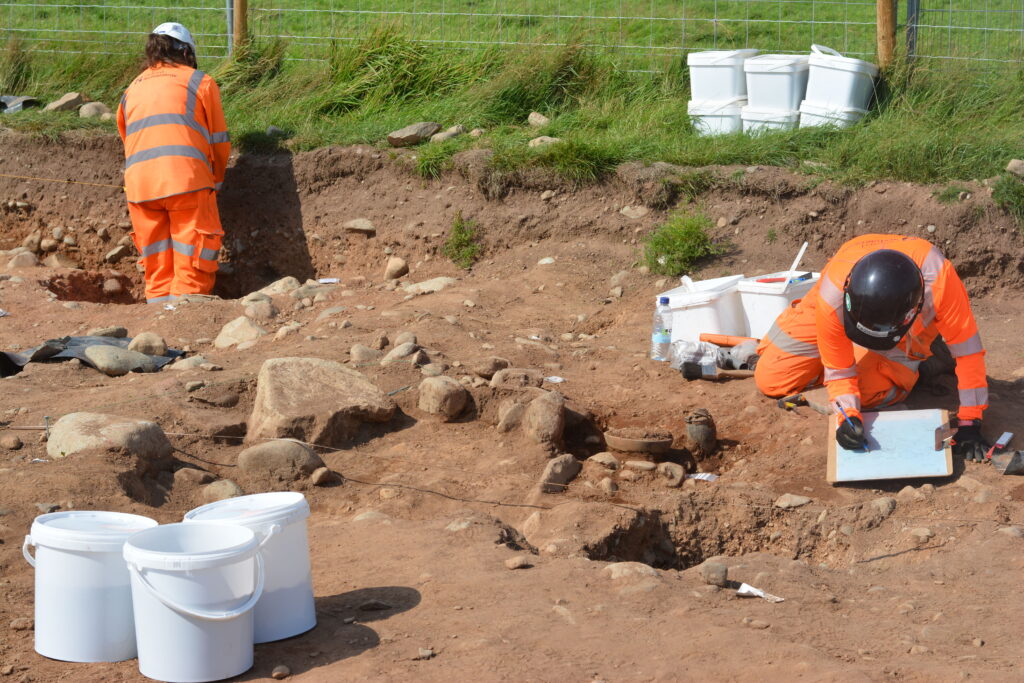
Image: archaeologist recording Roman cremation burial vessels
How soil samples unlock the past
One of the most important ways archaeologists learn about a site is by taking soil samples during excavation. Although they may look like simple buckets of dirt, these samples can carry tiny traces of the past that are sometimes too small for our archaeologists to see when excavating.
With cremations, the primary aim of soil sampling is to recover fragments of cremated bone. Alongside this, there are fragments of charcoal, seeds, pollen, insect remains and small artefacts that would otherwise be too small to recover during excavation.
Image: sample buckets containing soil samples from cemetery site
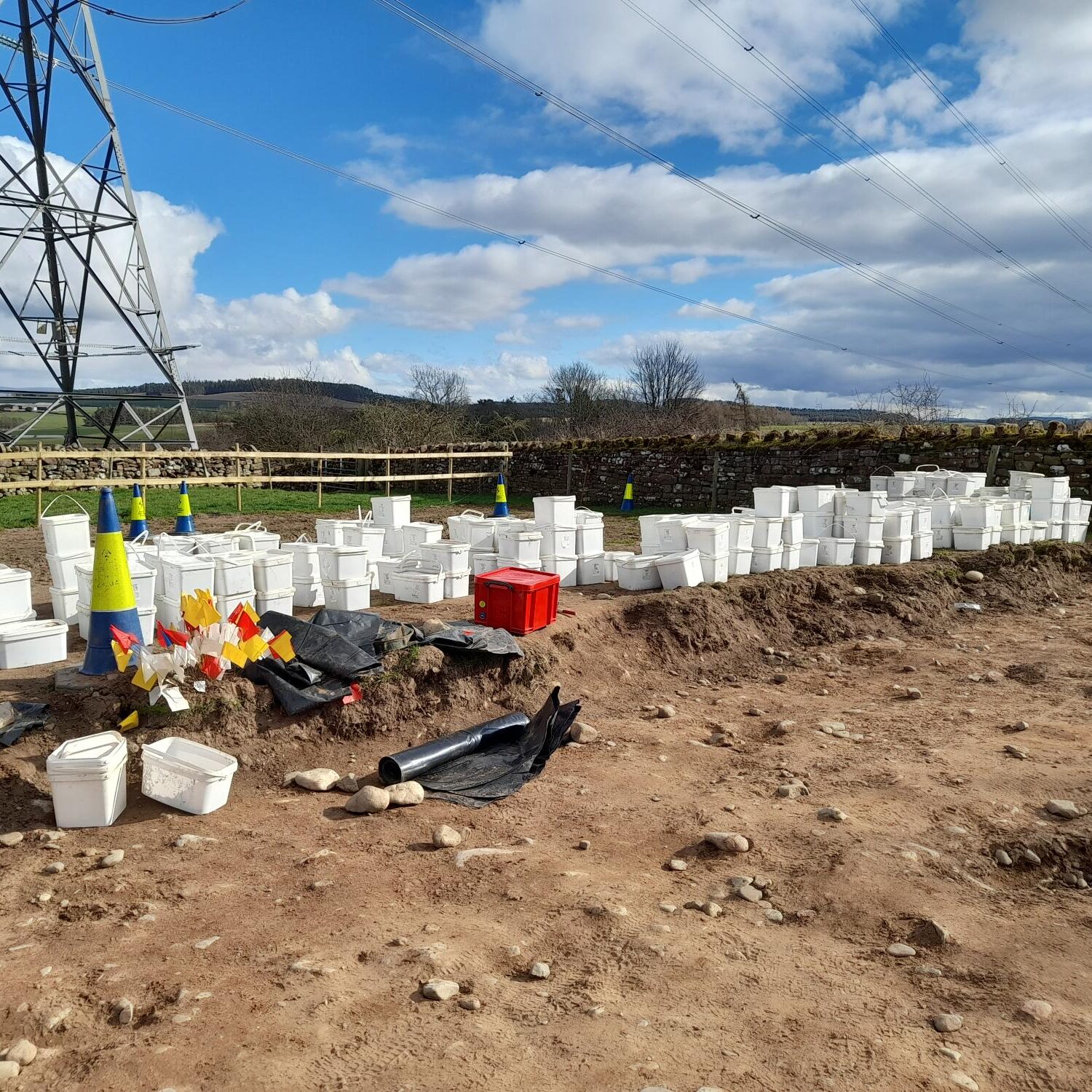
Once in our laboratory, the samples are carefully processed using water flotation. This method separates lighter organic material, which floats to the surface, from heavier material that sinks to the bottom. Throughout this process, the soil is washed away, leaving behind any material that can provide further clues about the past.
Environmental archaeology specialists then sort through the remaining material by eye. Although some of these discoveries are incredibly small, they can provide valuable insights into the environment, activities and people connected to the site.
Watch video to see a more detailed insight into this process
Soil Samples from the A66 Cemetery
Soil samples from the Brocavum cemetery have recovered fragments of cremated bone and charcoal from Roman cremation burials, providing valuable new evidence about the people buried there and the funerary practices they observed.
Though cremated bone is fragmented and burnt, specific bones can provide information about the individuals buried at Brocavum, including their age, biological sex where possible, health and the way their remains were treated during the cremation process. Archaeologists can use isotope analysis, which looks at the chemical signatures preserved within the cremated bone. This can help identify where a person spent their childhood and whether they had travelled before being buried at Brocavum.
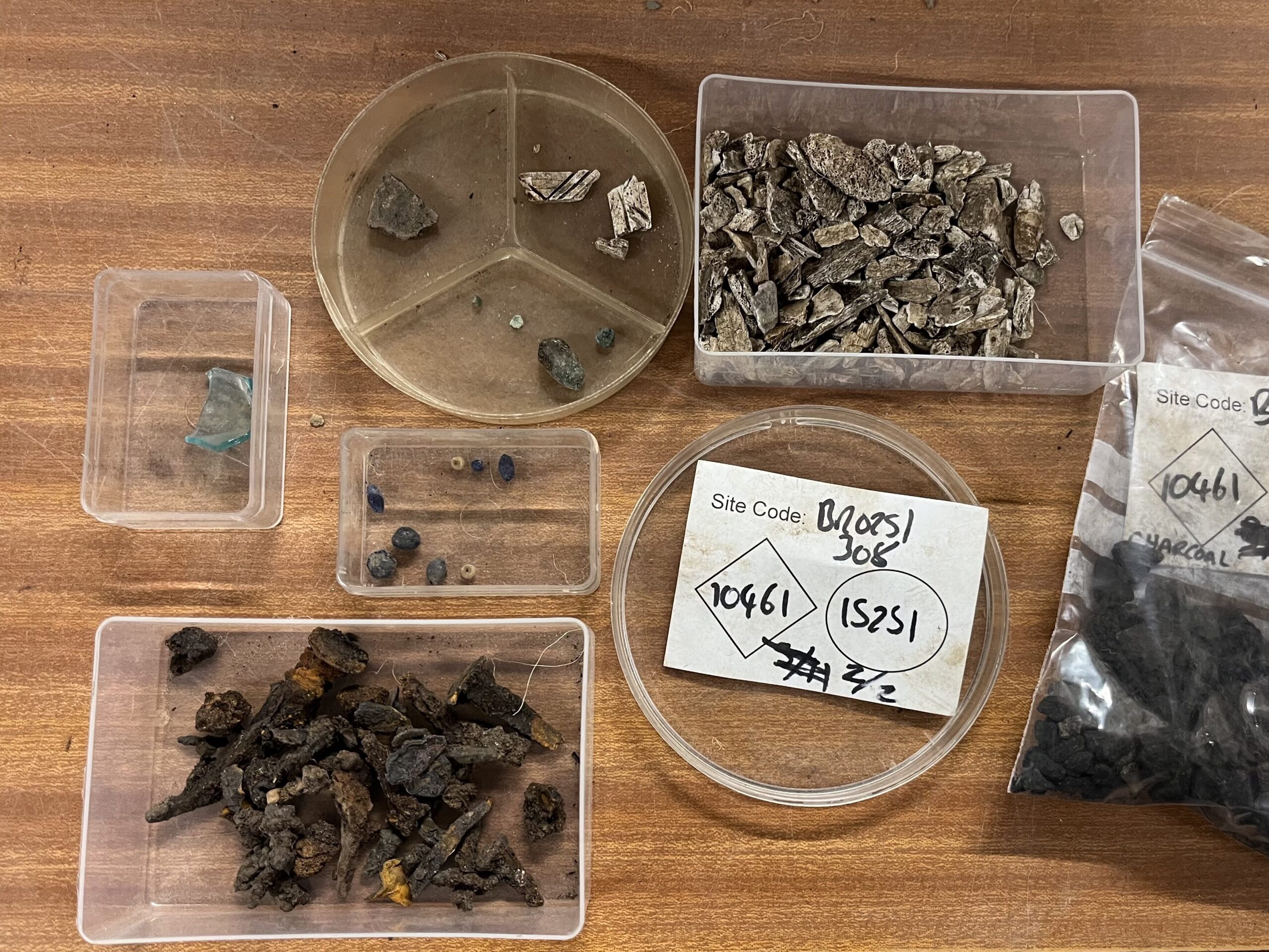
Image: separated soil sample containing charcoal, cremated bone, metal and beads
The charcoal, which likely represents the remains of the funeral pyre, is equally important. By identifying the species of wood used, specialists can explore Roman funerary practices, helping to determine whether different types timber/trees were deliberately selected for cremation or whether they simply reflect the local environment and resources available to the community.
Alongside these environmental remains, the soil samples have also recovered hundreds of objects that survived within the cemetery deposits. Although many were found only as small fragments, together they provide remarkable insights into personal appearance, identity and everyday life in Roman Cumbria.
Personal appearance and identity
Personal items such as jewellery, grooming tools and clothing accessories were not just practical objects. They could reflect personal taste, social connections and the way individuals chose to present themselves.
Among the soil sample discoveries so far are at least 445 green, blue and gold glass beads, along with a broken amber bead, a bone comb, a brooch with a central gem or glass setting, and an engraved gemstone known as an intaglio.

Image: a row of Roman glass beads from cemetery soil samples, ranging in colour from blue to gold

Image: stone bead, fragment of broken amber bead, and decorated ceramic bead from cemetery soil sample
These were more than simply everyday possessions. The large number of glass beads suggests that colourful jewellery played an important role in personal adornment. Beads could be worn as necklaces, bracelets, or incorporated into other decorative items, adding colour and individuality to a person.
Both the brooch, used to fasten clothing, and Intaglio, used as a personal seal, have practical uses while allowing individuality and personal style. The bone comb offers another glimpse into Roman daily routines, reminding us that grooming and appearance was an important aspect of life 2000 years ago.
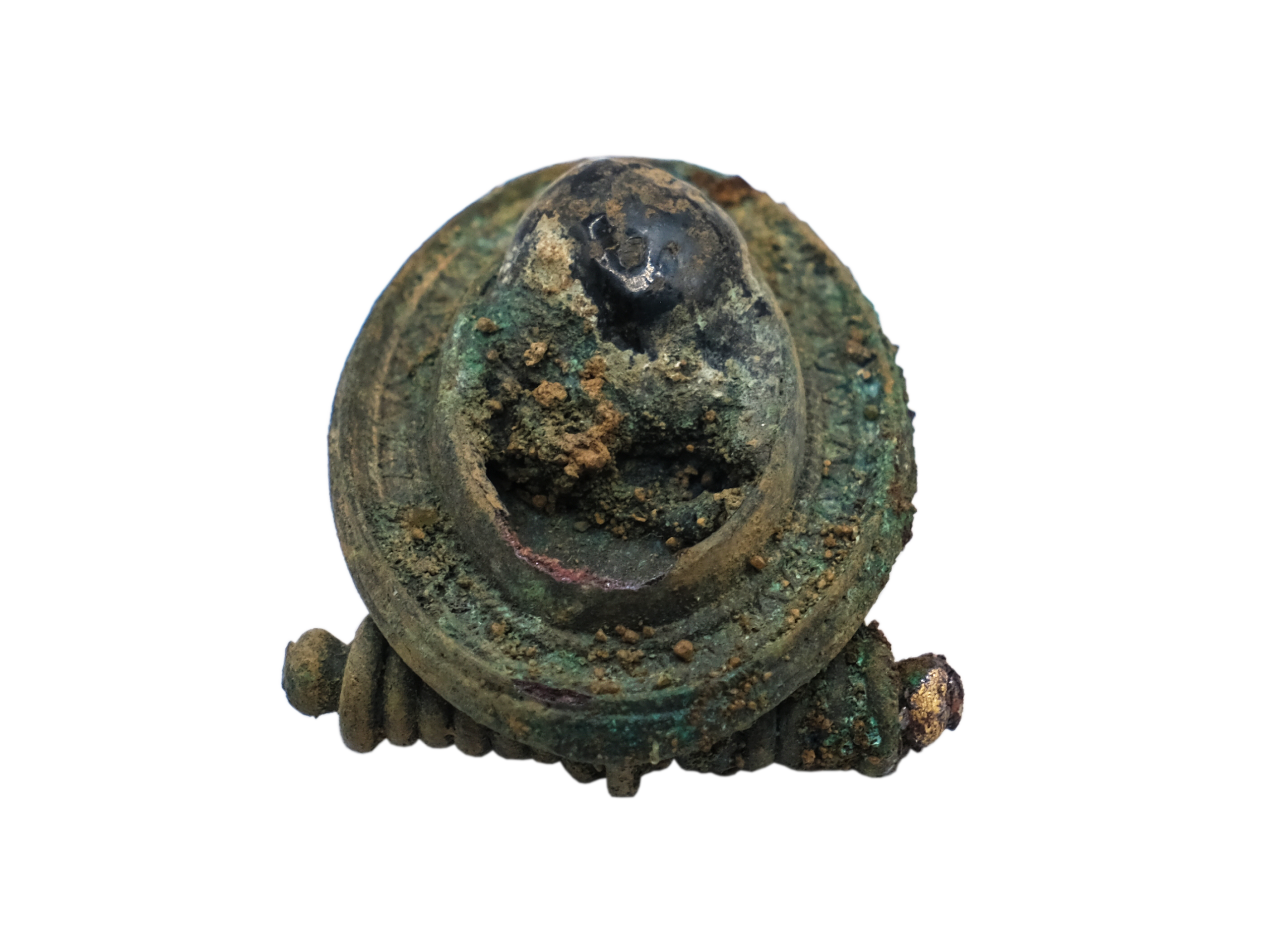
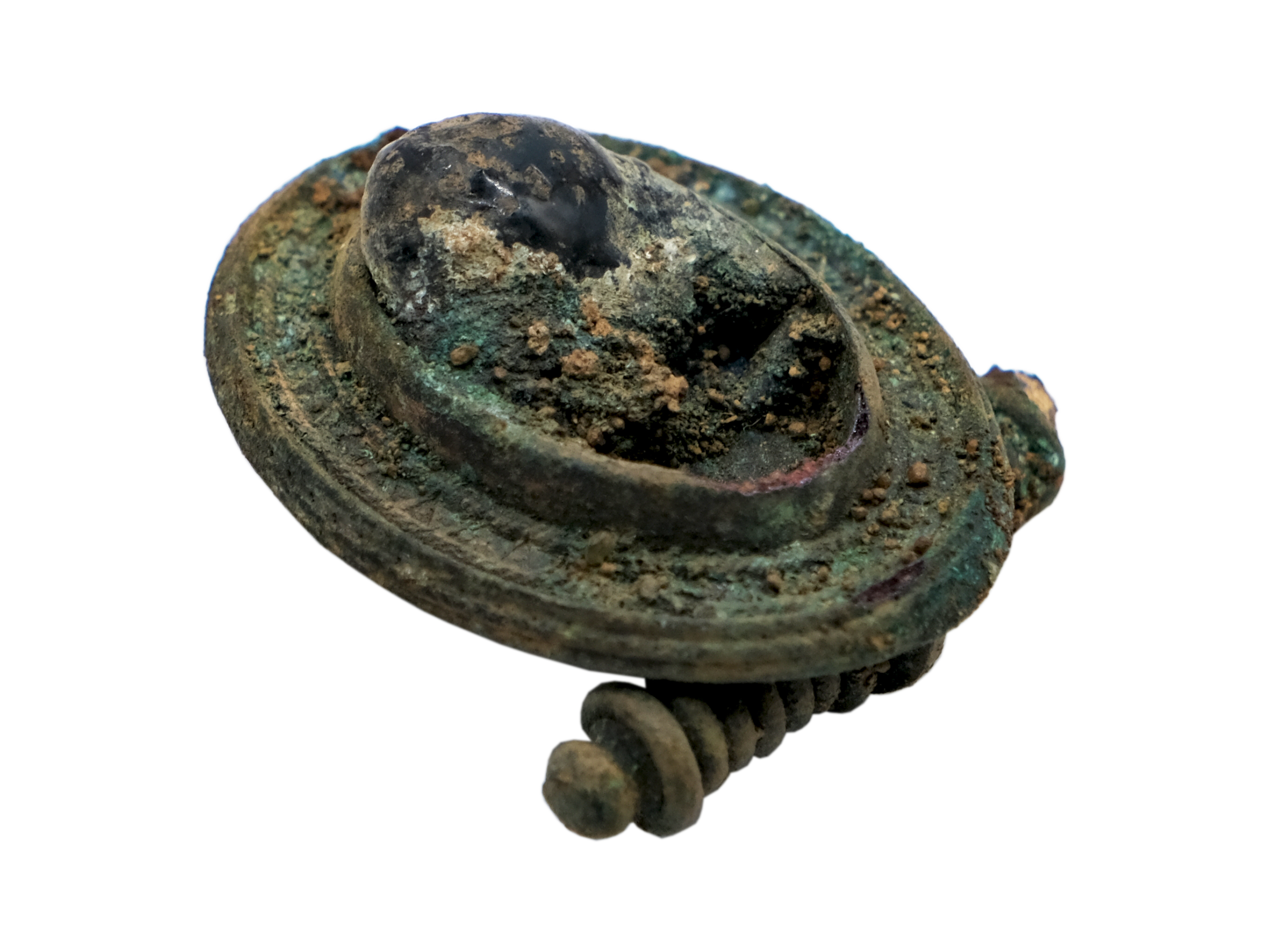
Image: Roman brooch with glass set in centre
Finally, the broken amber bead is particularly interesting, as amber was a valued material in the Roman world and was traded over long distances. Its presence provides evidence of connections that extended far beyond the local landscape.
Together, these finds offer a glimpse into the individuals behind the burials. They remind us that the people laid to rest here were not simply part of a cemetery; they were people with their own styles, belongings and identities.
Games and Social life
While some objects recovered provide insights into personal appearance and identity, others offer a glimpse into how people spent their time and interacted with one another.
Among the finds from soil samples and wider cemetery included a bone gaming die and a ceramic gaming counter, objects that show the Roman community at Brocavum engaging in a much more familiar human activity – playing games.
Games were an important part of Roman social life, enjoyed across different communities and social groups. Dice games, board games and counters were used for entertainment, competition and socialising, whether in homes, settlements or military sites.
The ceramic gaming counter also tells a story of resourcefulness. It was made from a fragment of Roman pottery that had been carefully reworked into a gaming piece, showing that broken objects could be given a new purpose rather than simply being discarded. Elsewhere on the site, some of the bone gaming dice have been found to be purposefully weighted, suggesting they may have been altered to influence the outcome of a game. Unfortunately, because the die recovered from the soil samples was burnt on a funeral pyre, it is no longer possible to determine whether it too had been weighted.
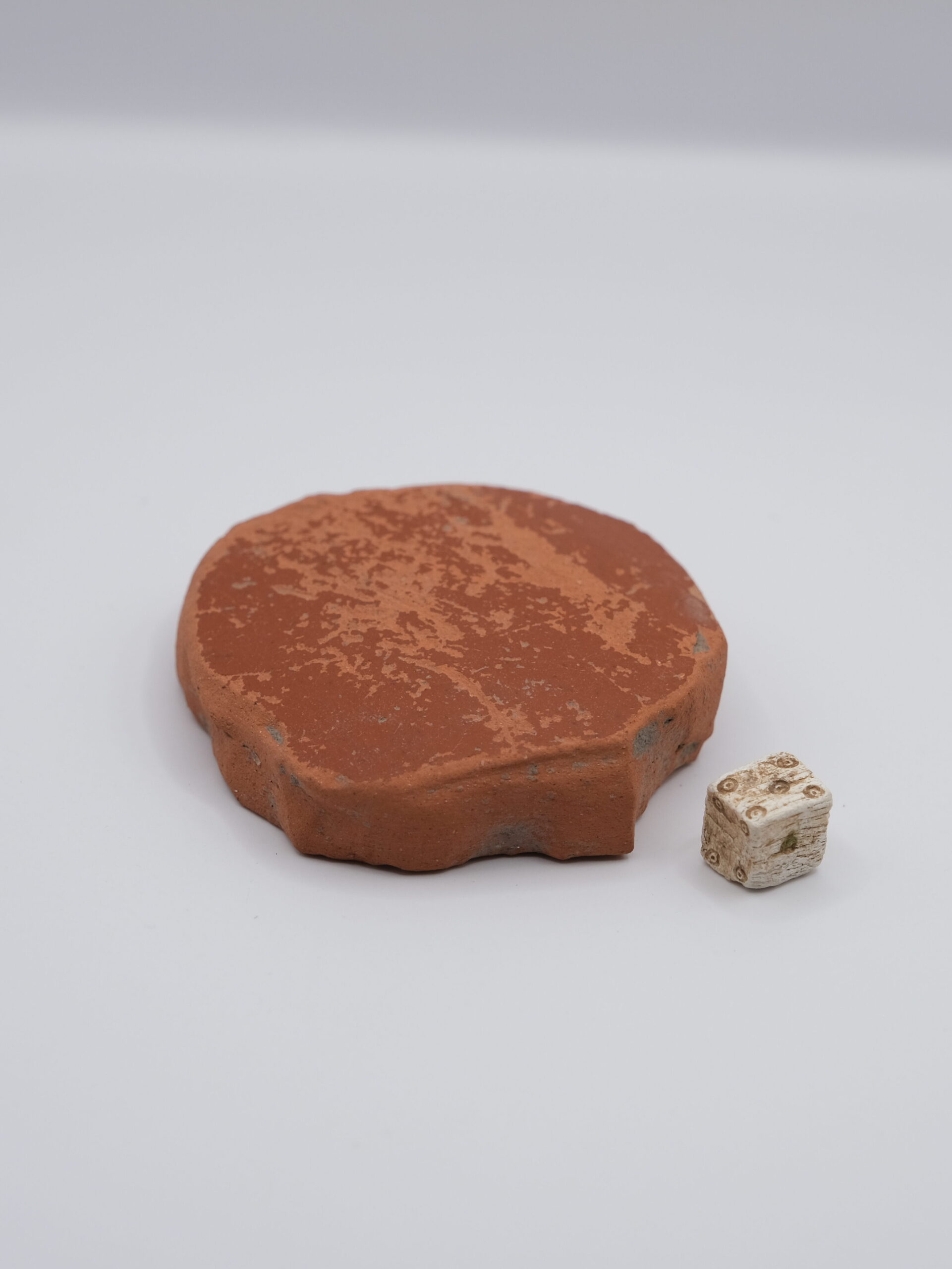
Image: ceramic gaming counter and carved bone dice
Funeral Pyre: a wooden structure used for outdoor cremation as part of a funerary rite or cremation.
Even so, while we can’t know exactly who owned these objects they offer a fascinating glimpse into the everyday lives of the people connected to Brocavum and its surrounding settlement. They remind us that moments of leisure, friendly competition and perhaps even the occasional temptation to bend the rules are all part of human nature and have been for thousands of years.
These discoveries continue to add new layers to the story of this remarkable cemetery, helping us understand not only how people were remembered after death, but also the lives, identities and experiences they carried with them.
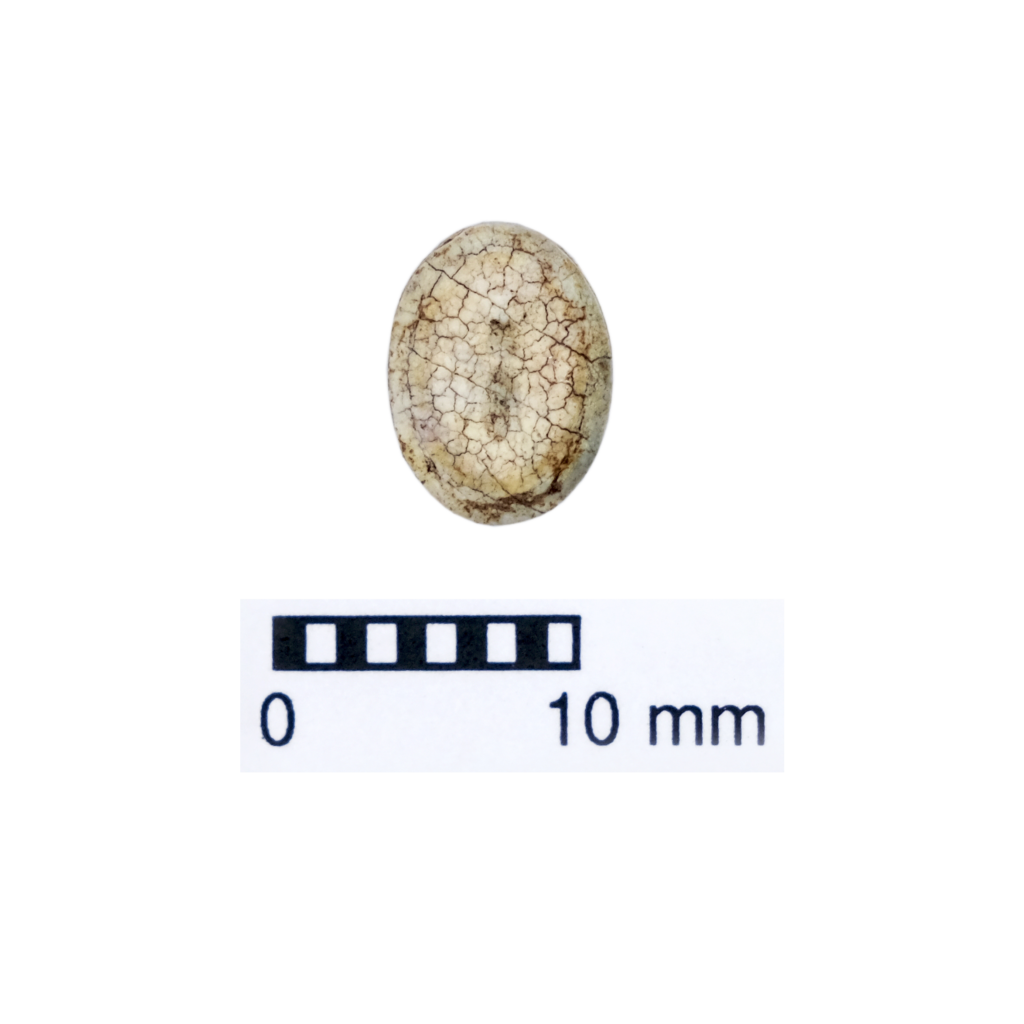
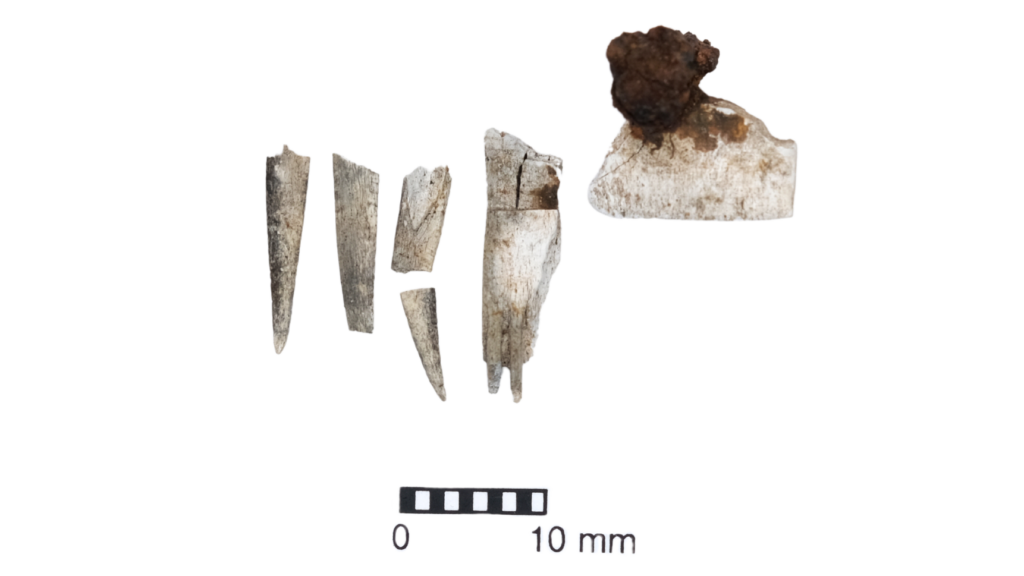
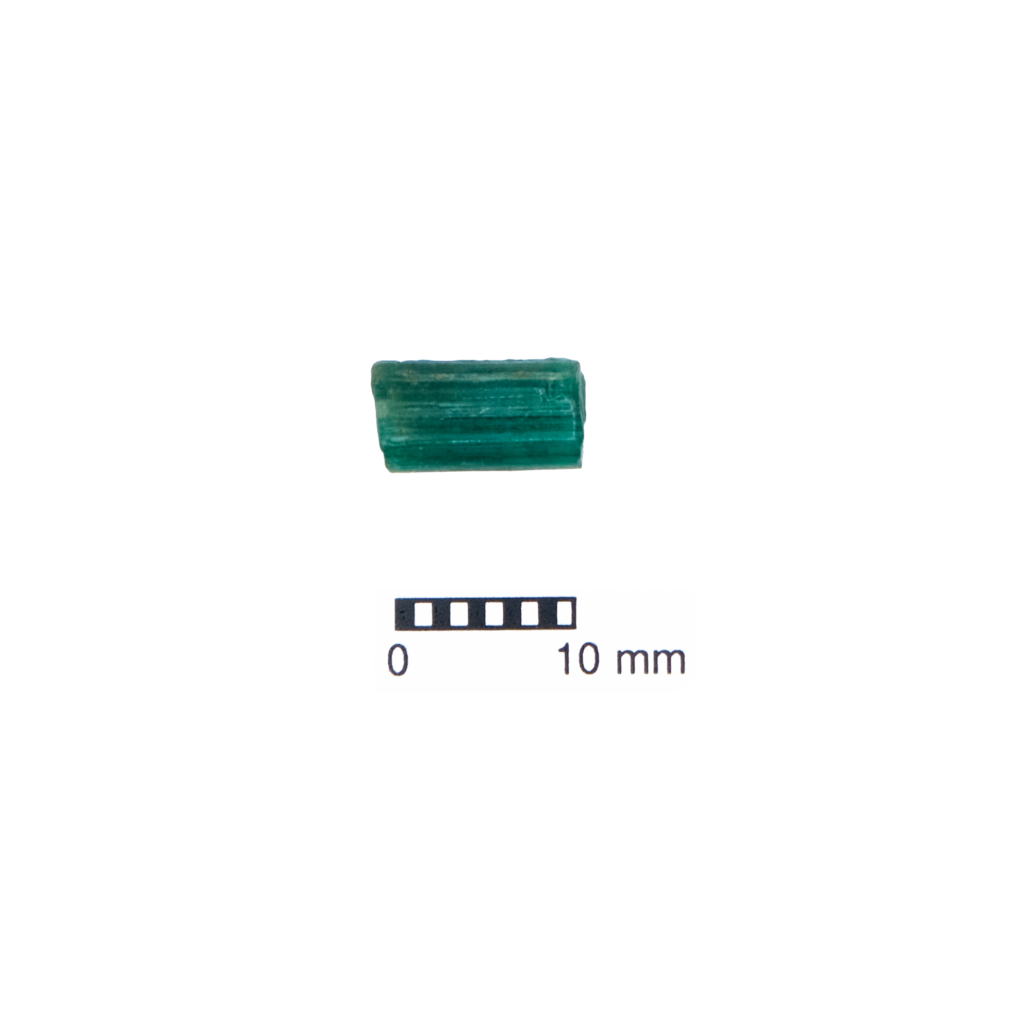

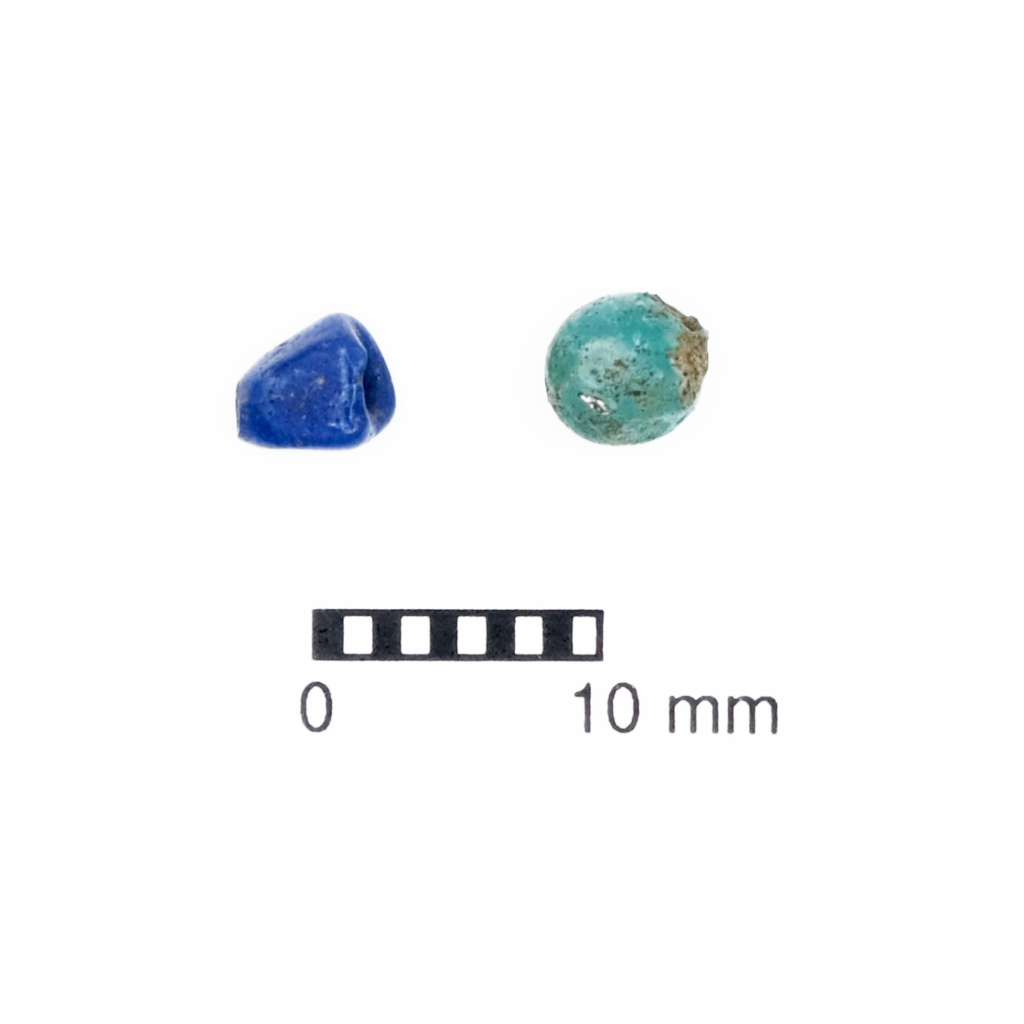
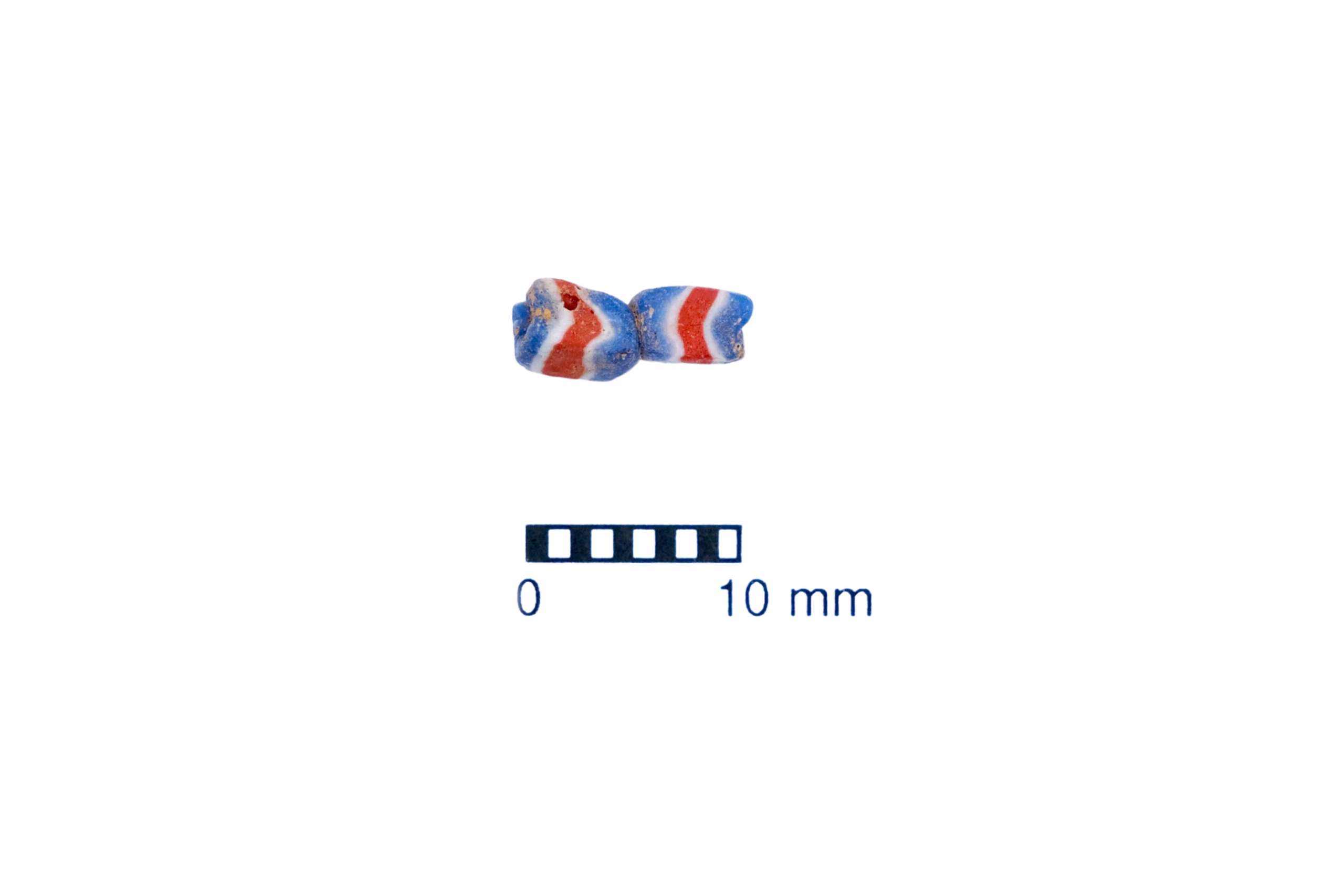
Images: intaglio (top left), bone comb (top middle) and collection of beads from cemetery soil samples
As this post-excavation work continues, specialists will carry out further analysis of the artefacts, environmental remains, and human cremated bone recovered from the site. Together, these studies will help us better understand who these people were, how they lived, their diet, the landscape they inhabited and the burial practices they observed nearly 2,000 years ago.