
Thame
Start Date
February 2015 - November 2024
Location
Oxfordshire
Time Period
Bronze Age,
Iron Age,
Neolithic,
Roman,
Saxon,
Client
Bloor Homes,
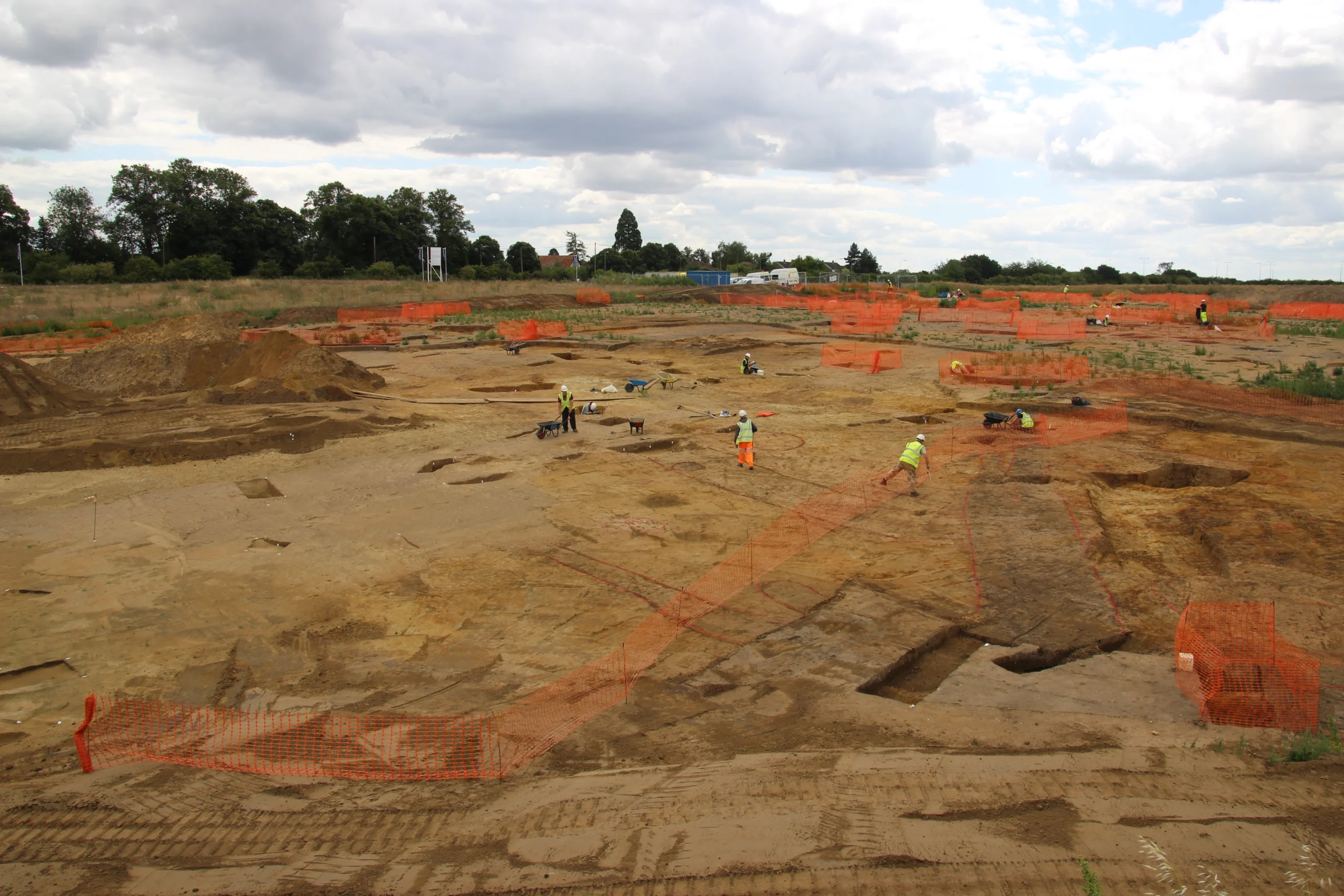
Discover the rich tapestry of history beneath the surface at Oxford Road, Thame. Our excavations in 2015 uncovered a timeline spanning the Neolithic to Saxon periods, painting a vivid picture of life in Thame through the ages.

During the Early Neolithic period (around 3700 – 3600 BC) a complex of monuments was created on a slope above the River Thame. There were scattered pits, left from habitation, which contained domestic waste of worked flint, pottery and charred plant remains, such as cereals and hazelnut shell.
A large causewayed enclosure was situated on a knoll in the western part of the site. This had three segmented circuits, with about a quarter of the monument investigated through excavation. Estimates suggest the enclosure might have spanned approximately 11 hectares, potentially ranking it among Britain’s largest. The monument was in use for a long time with the inner circuit seeming to have been in use for about a century.
Within the inner circuit of the causewayed enclosure was a sub-oval ditched monument about 20m across with a single, east-facing entrance, which contained a similar range of finds as the causewayed enclosure and pits. A sub-oval ring ditch lay to the north of this penannular monument and also contained a similar suite of finds as the other Neolithic features. Radiocarbon dating (with Bayesian modelling) has indicated that all these monument elements were broadly contemporary.
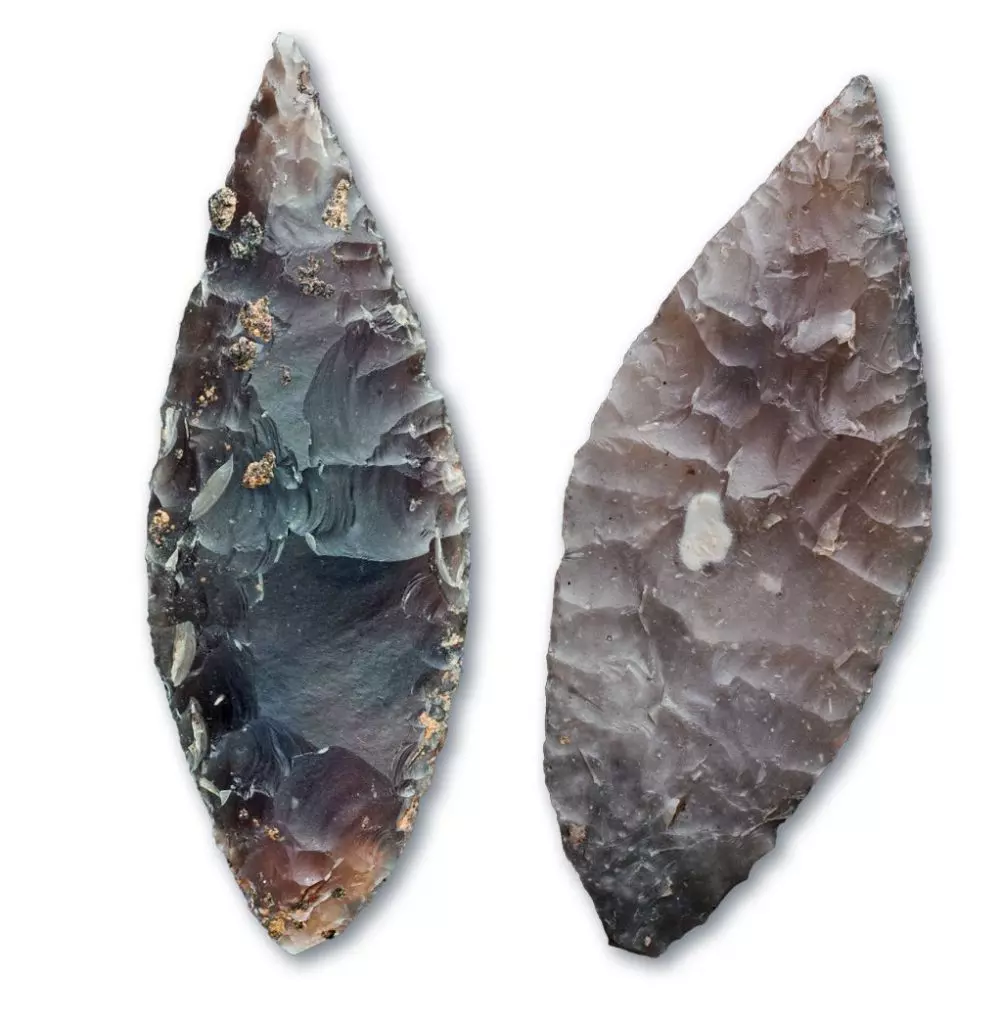
Image: two Early Neolithic arrowheads

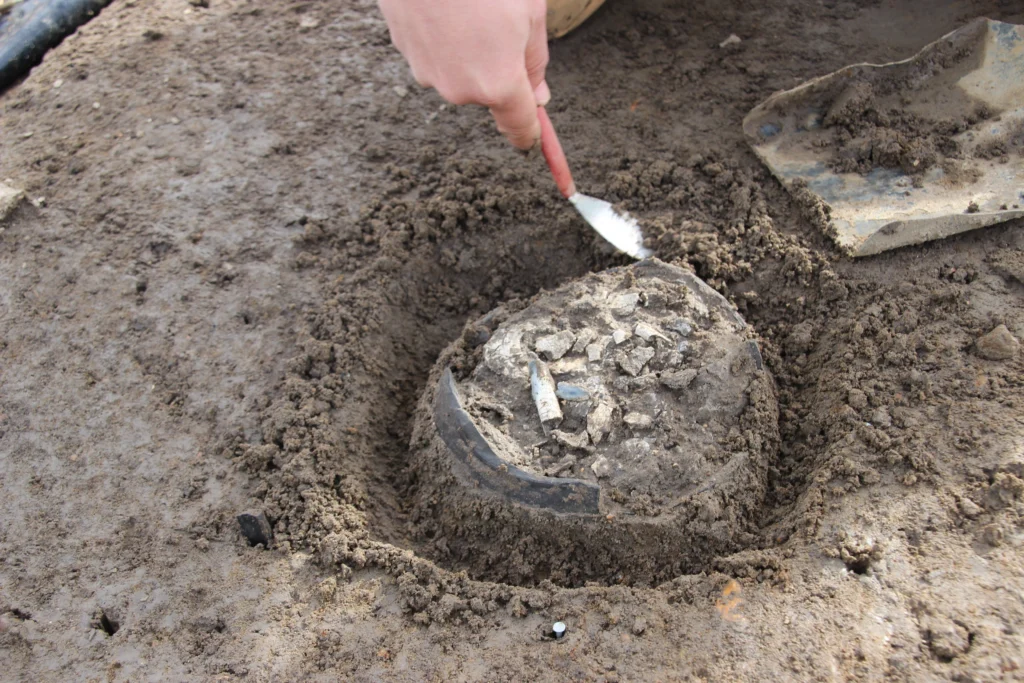
Despite a scarcity of evidence dating from the Middle Neolithic to the Iron Age, traces were present, suggesting that the site continued to be in use. A small quantity of Middle Neolithic Impressed Ware pottery (3400 – 2900 BC) indicates an enclosure that was put to later use. There was little evidence of the Late Neolithic (3000 – 2400BC), limited to one pit containing Grooved Ware. A cremation burial dating to the later Bronze Age (1100 – 700 BC) contained the remains of two adults and two children.
Extensive settlement then occurred during the later part of the Early Iron Age (700 – 400 BC) across most of the site, before being abandoned in the 3rd century BC. This settlement consisted of possible houses, a D-shaped enclosure, four-post structures and a large number of pits. Pottery and animal bone were the most frequent finds, although there was some metalwork, worked stone, worked bone and fired clay. Some of the pits contained intentionally placed objects and notable concentrations of material.
Image: excavation of a cremation burial

Also dating to the Early Iron Age was a small cemetery within a shallow valley in the middle of the site which included the remains of at least 13 individuals, consisting of articulated skeletons and disarticulated remains.
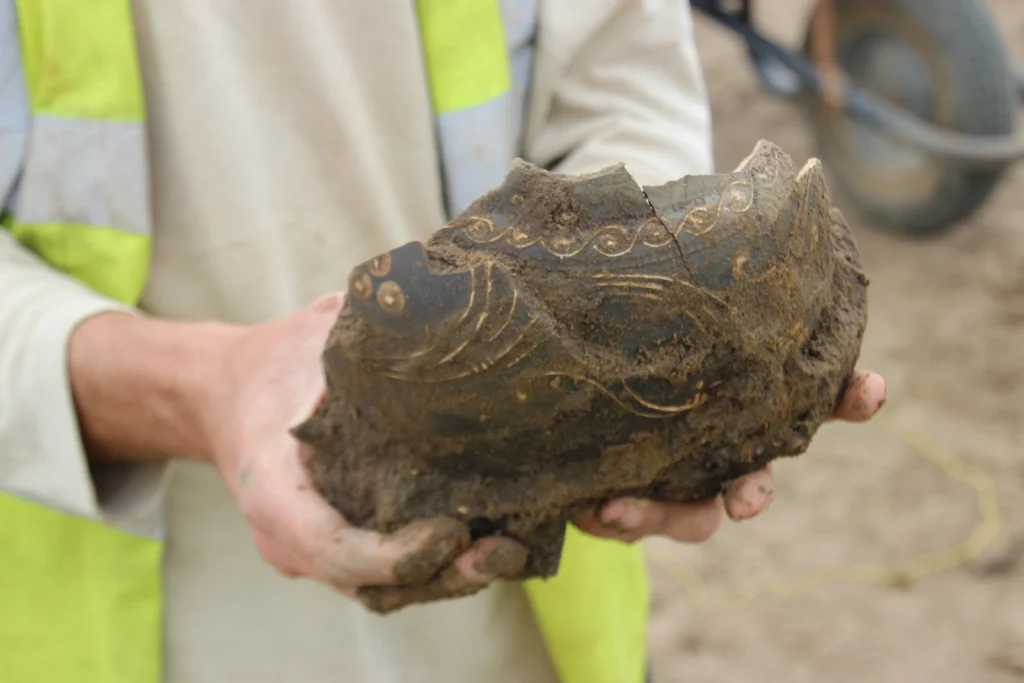
During the Late Iron Age and throughout the Roman era, the landscape saw the establishment of field systems, evident through various field boundaries. Initially, the Late Iron Age field enclosure system was replaced around the period of the Roman conquest with a new layout and settlement based on crop processing. Subsequently, a larger enclosure system emerged during the Early Roman period. Evidence such as millstones and corndriers suggests the industrial-scale processing of crops by the early 2nd century. Activity declined during the Middle Roman period, most likely resulting from lower-intensity agricultural use of the land.
Image: Roman Nene Valley beaker
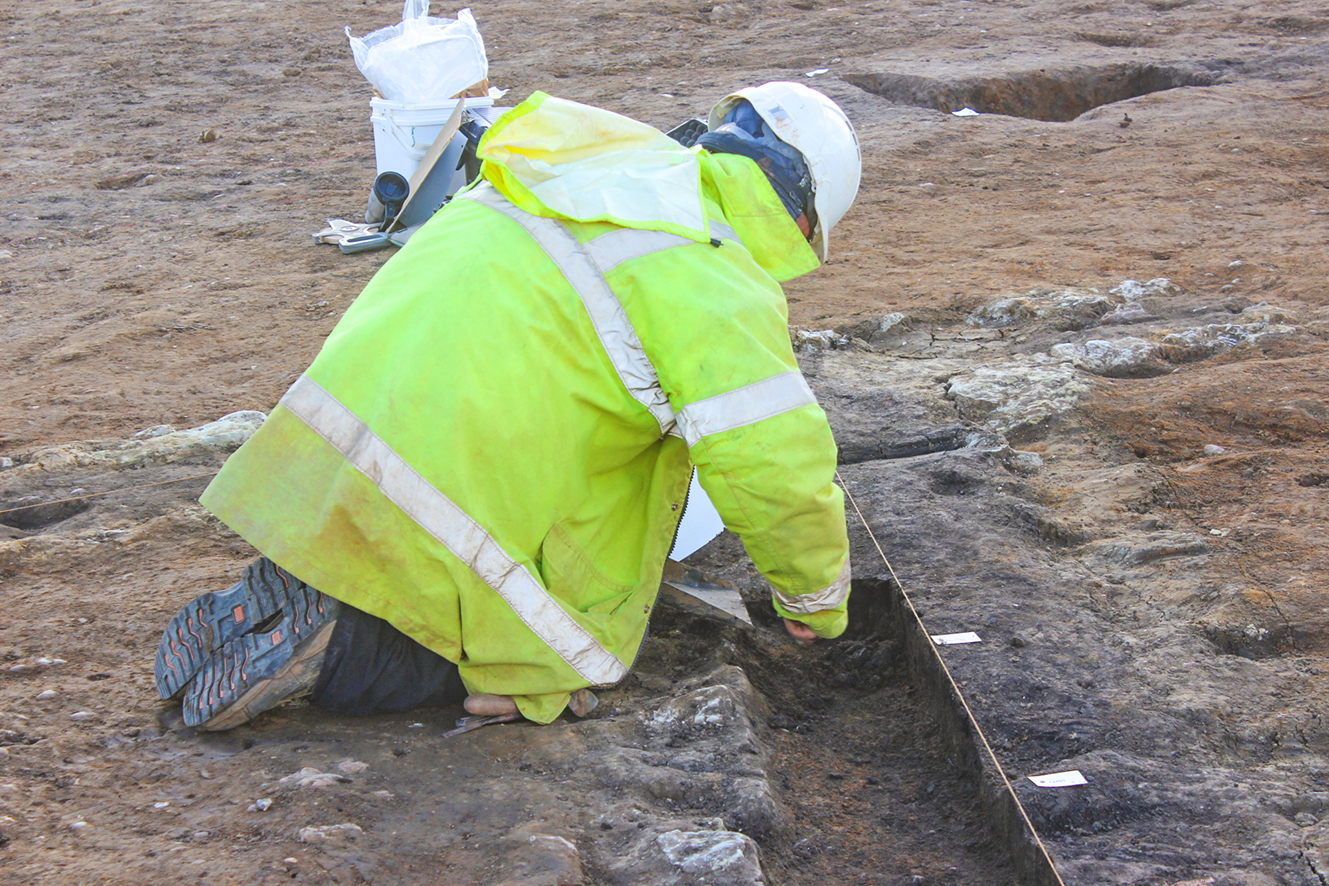
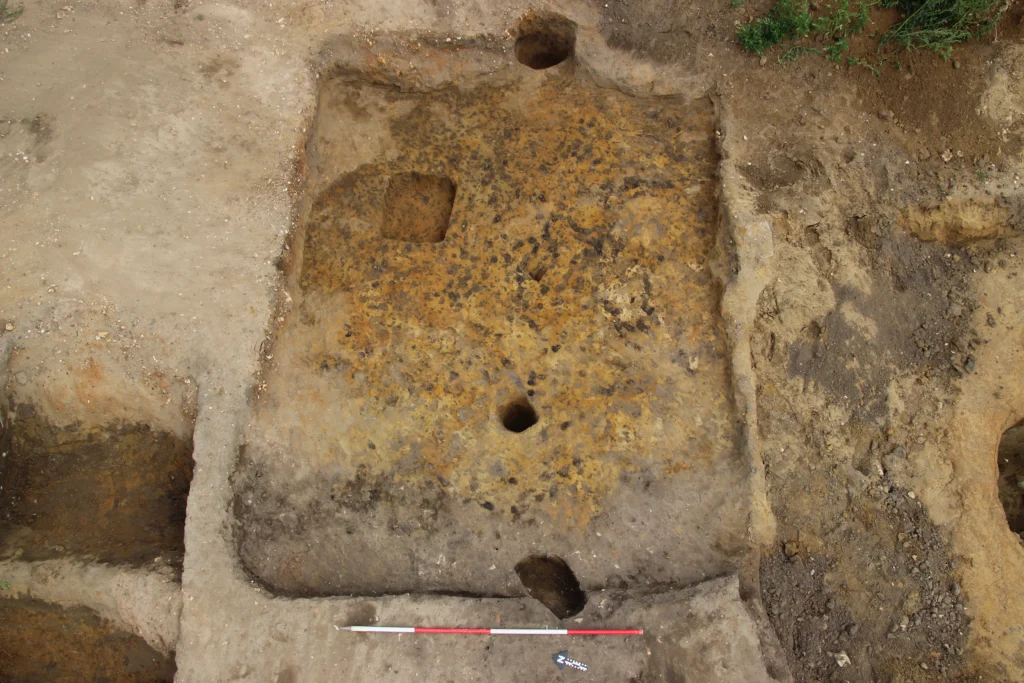
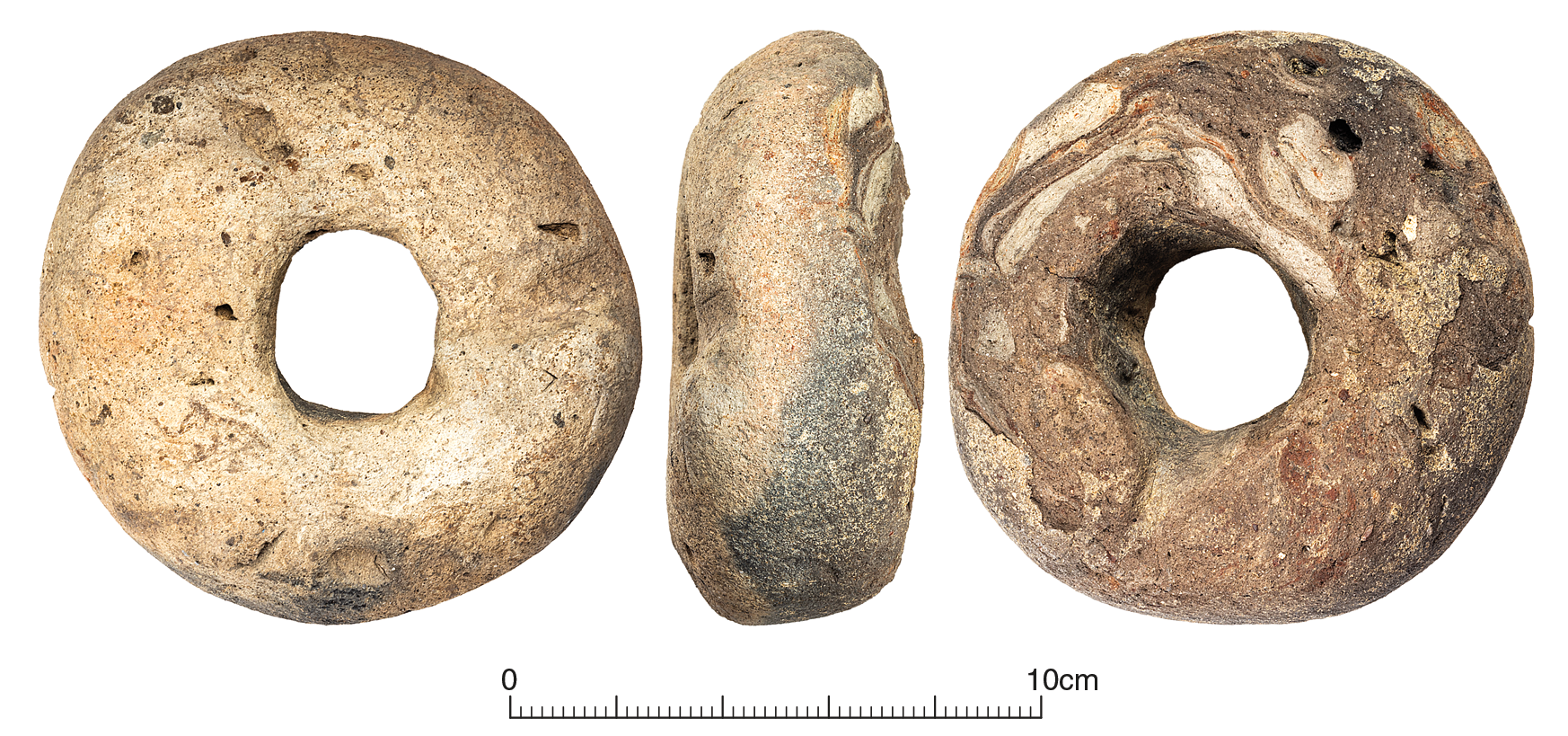
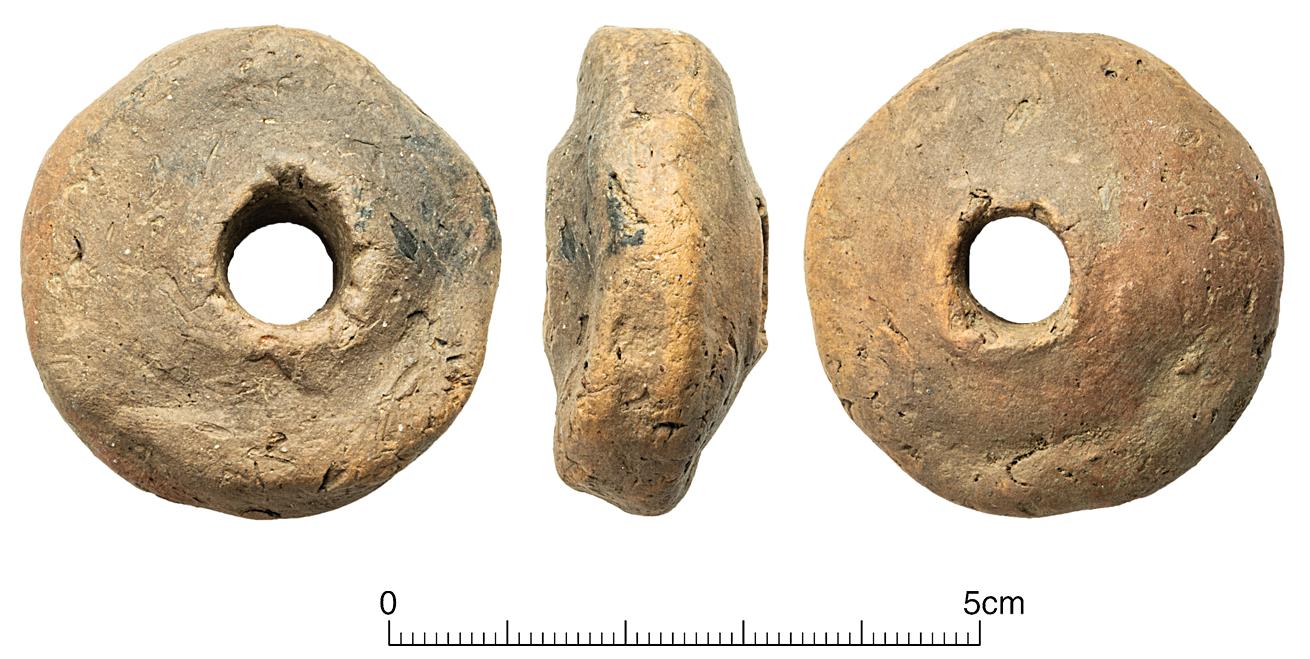
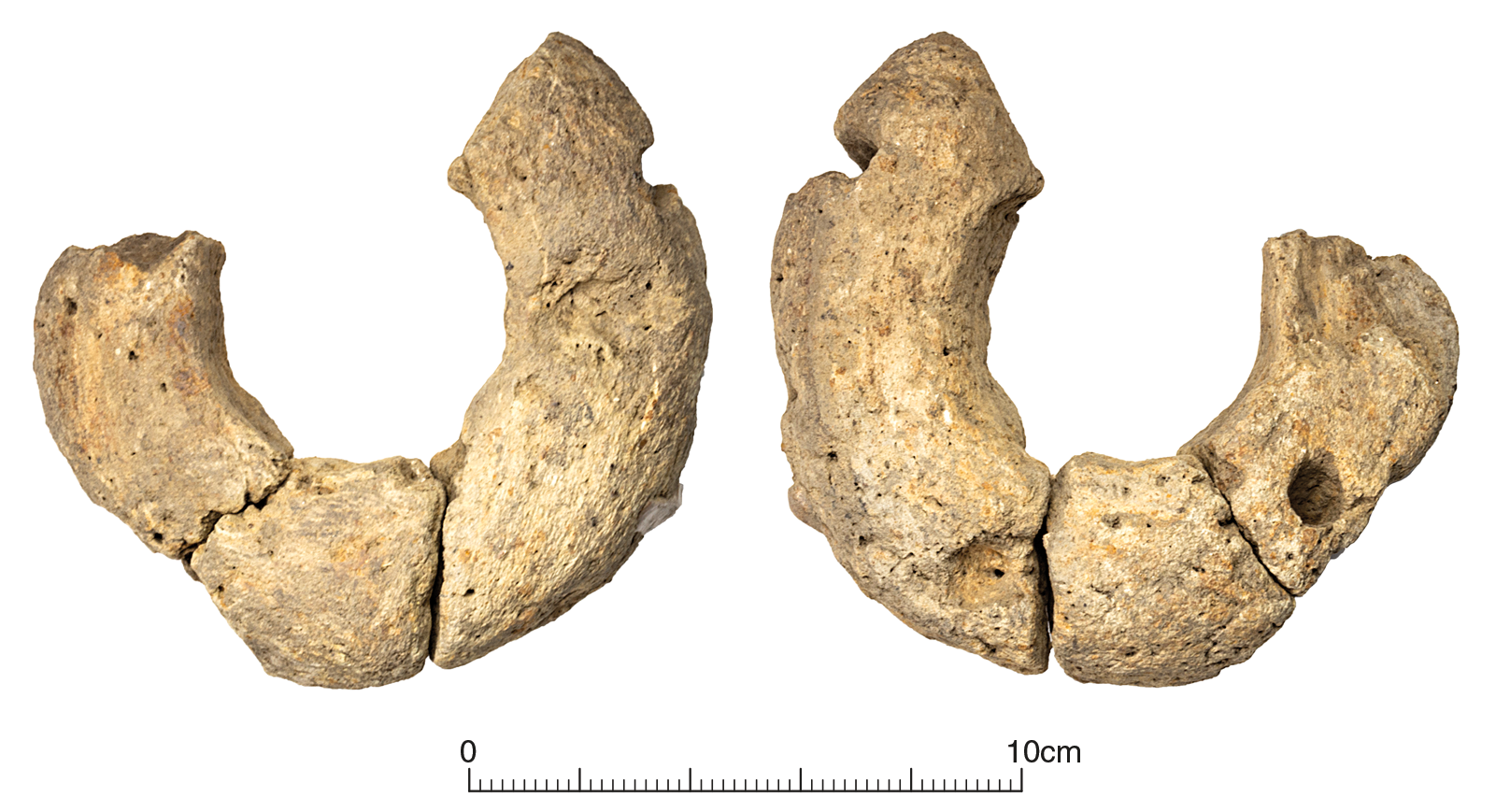
Following a potential pause, a small Anglo-Saxon village consisting of 13 sunken-featured buildings was established between the 6th and 7th centuries AD. Several of these buildings contained loom weights. One of these buildings had been damaged by fire (it was possibly intentionally burned when it was dismantled) preserving valuable insights into its construction. After what appears to have been a further break in settlement, a series of ovens were created between the 9th and 10th centuries, indicating renewed agricultural activity, with evidence suggesting both crop drying and malting.
Image: Anglo-Saxon sunken-featured building after excavation


Recent News
Discover
Project
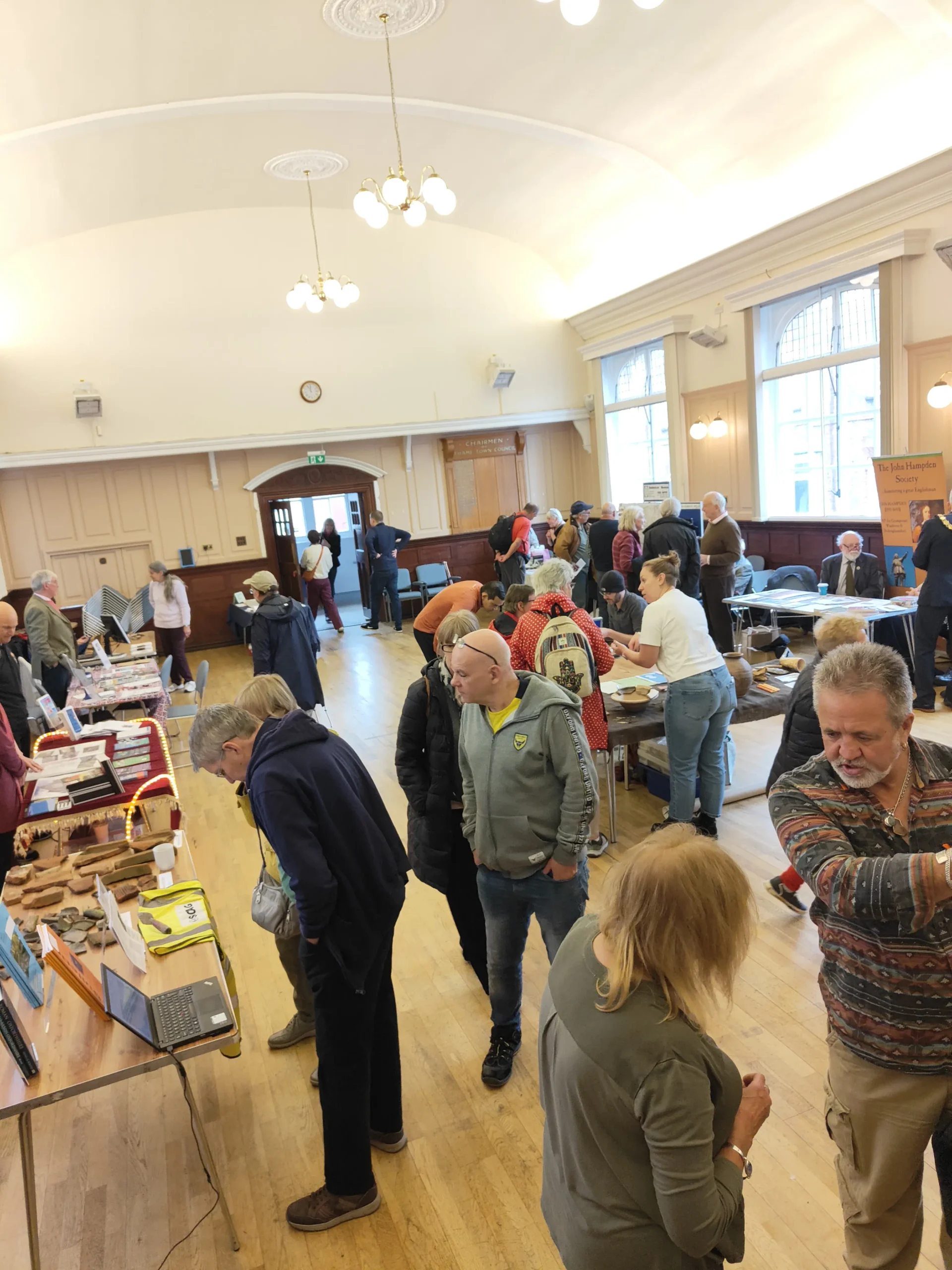
Thame History Fair celebrates local heritage with OCA book launch
On October 20th, Thame’s archaeology and history enthusiasts met for the Thame History Fair, which welcomed over 250 visitors throughout the day.
Date Written
20th November 2024
Project
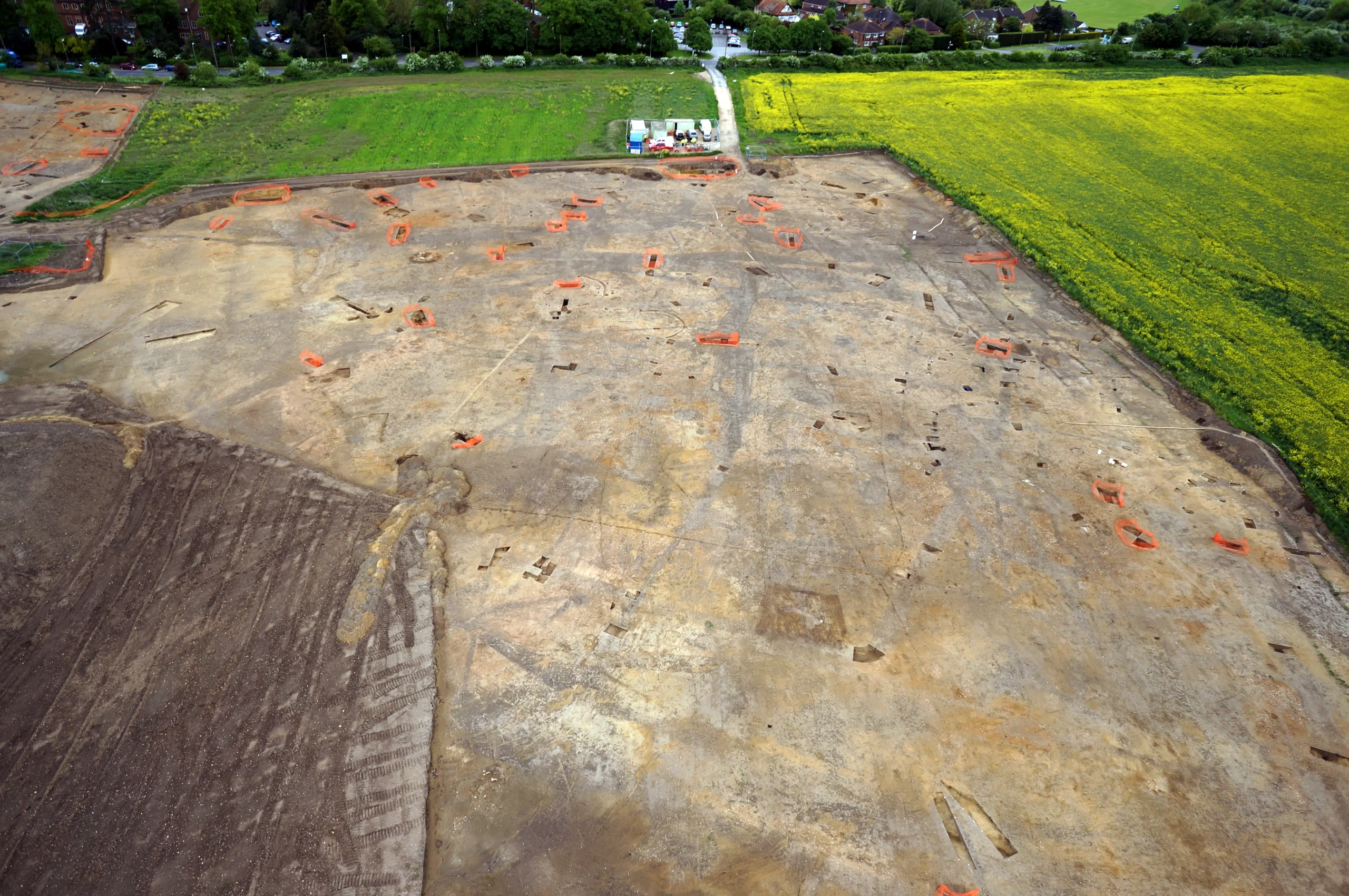
6,000 years of archaeology at Thame: New findings published in two volumes
Excavations by OCA at Thame revealed activity from the Neolithic to the Late Saxon period. This has now been published in two illustrated volumes.
Date Written
11th November 2024
Discover
Project
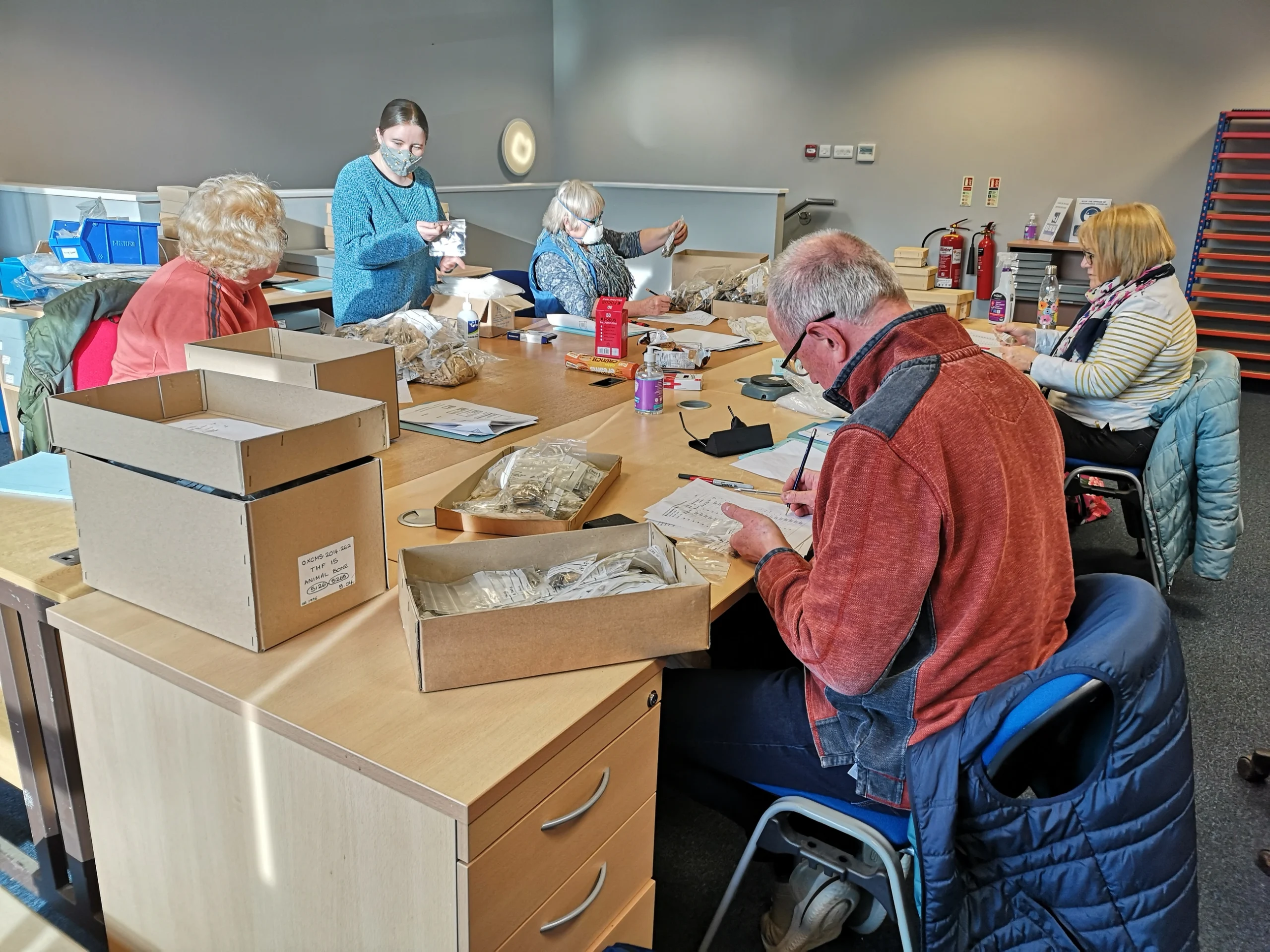
Volunteers contribute over 750 hours to archiving finds from Thame, Oxfordshire
From 2022 to 2024, volunteers at the Milton Keynes office have collectively contributed an astonishing 753 hours of their time to process the vast collection of finds from a site in Thame, Oxfordshire, excavated by Oxford Cotswold Archaeology in 2015.
Date Written
14th May 2024