
Redcliffe Quarter
Finds
Start Date
January 2016 - Ongoing
Location
Bristol
Time Period
Medieval,
Client
Redcliff MCC LLP,
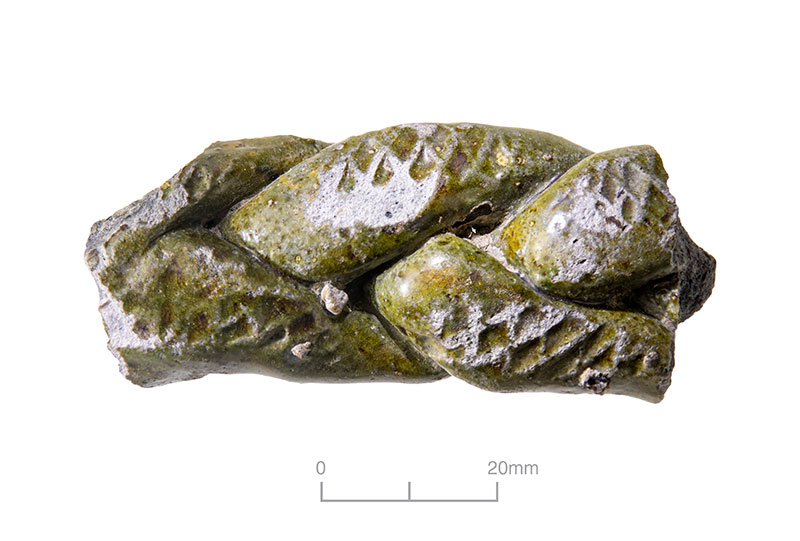
Ham Green plaited handle
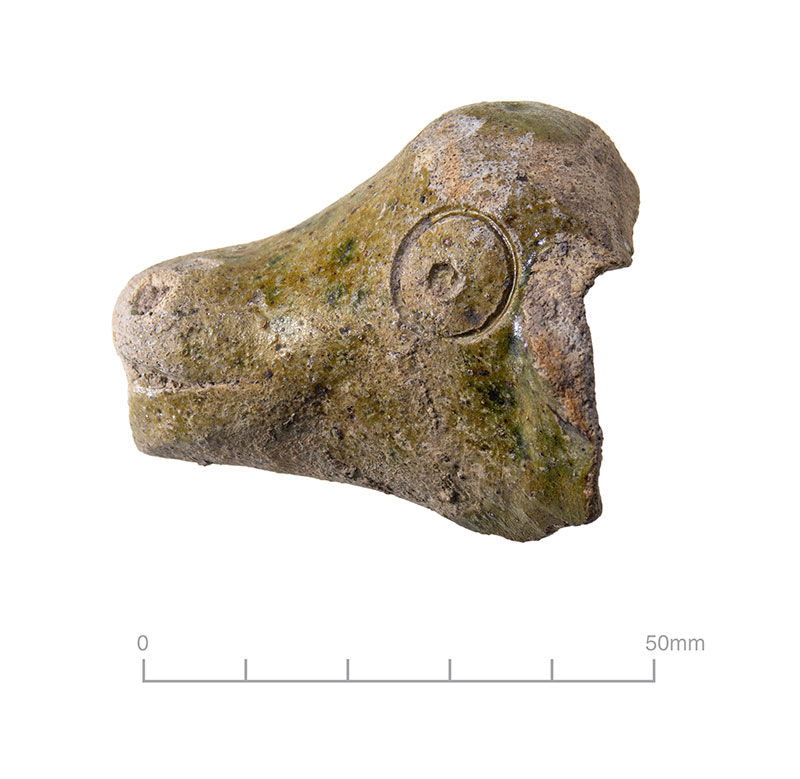
Cow pot
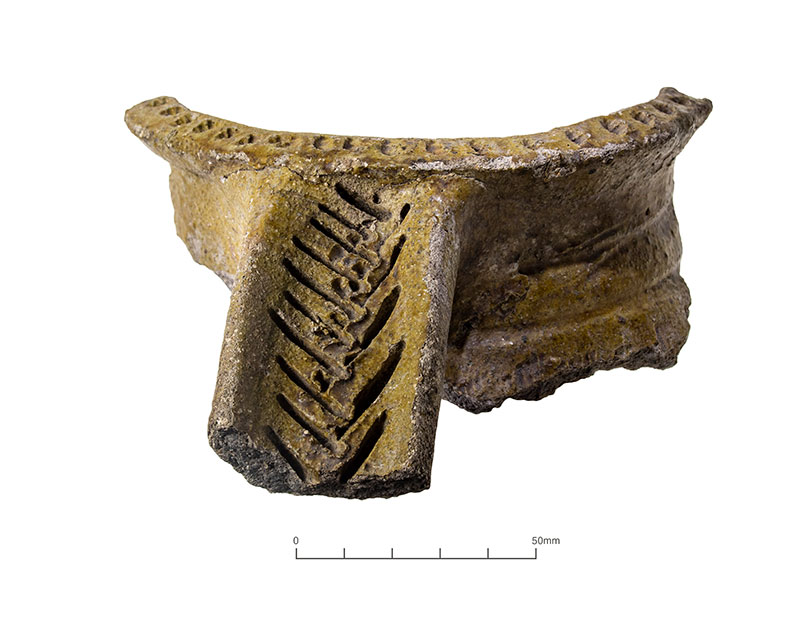
Minety ware rim & handle
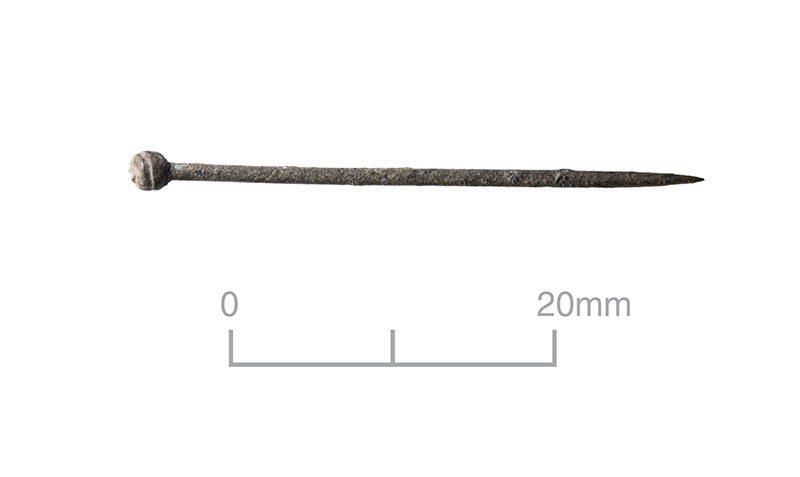
Pin with swirly head
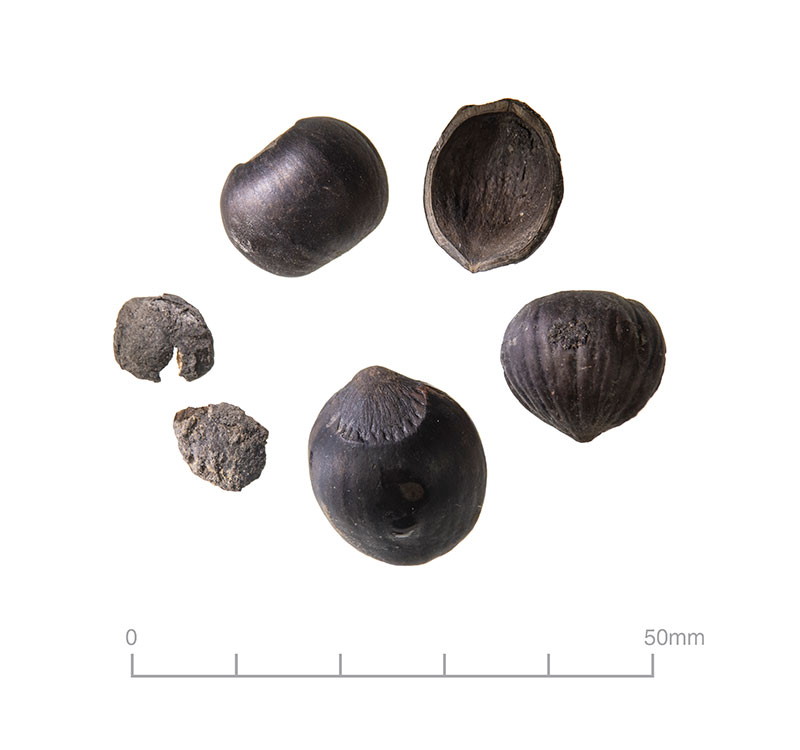
Hazelnut shells

Leather scraps from shoe production
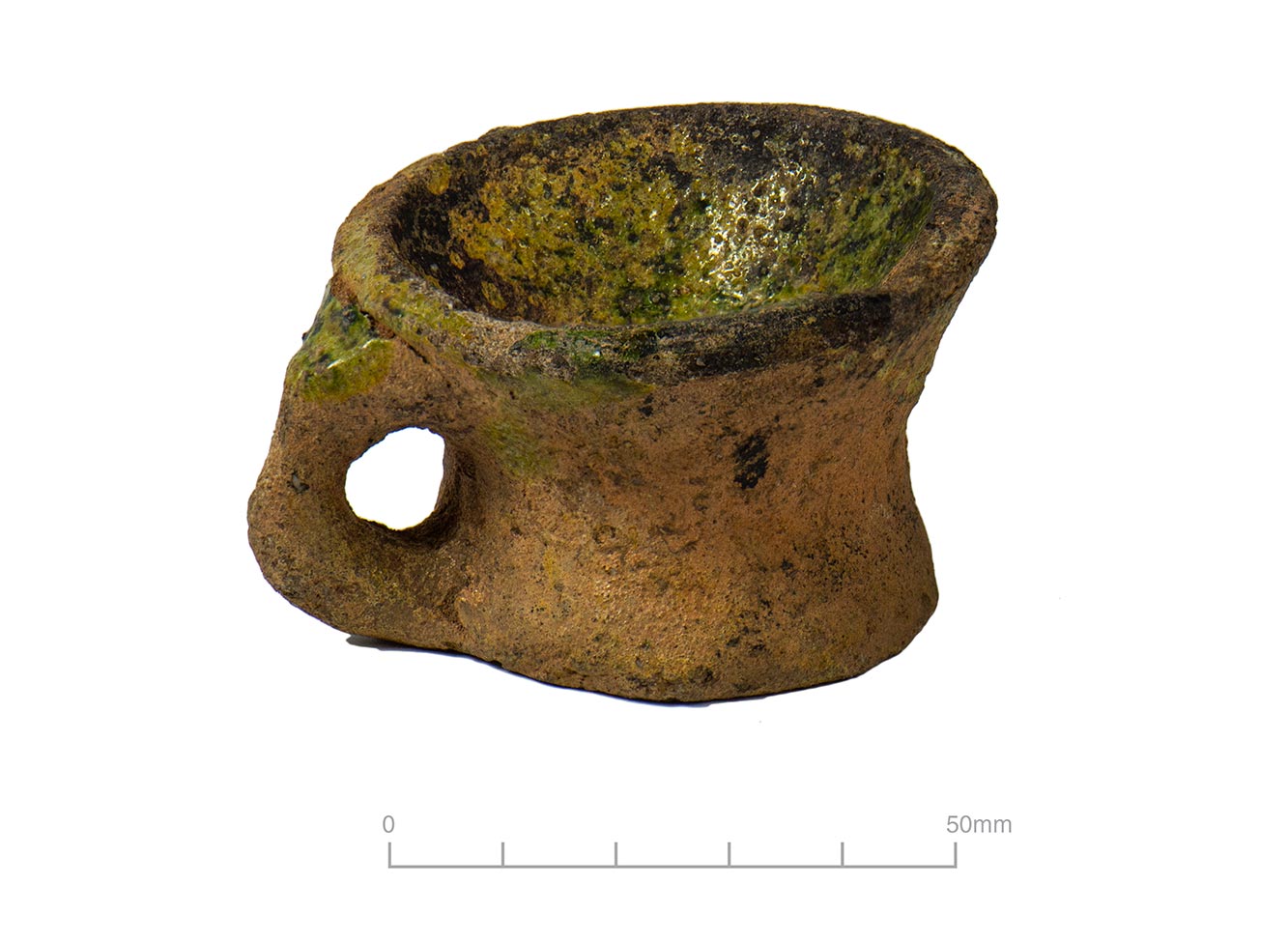
Small pottery lamp, dates to the later 14th-16th century. The fuel for the lamp was probably animal fat, used with a wick

Bone whistle
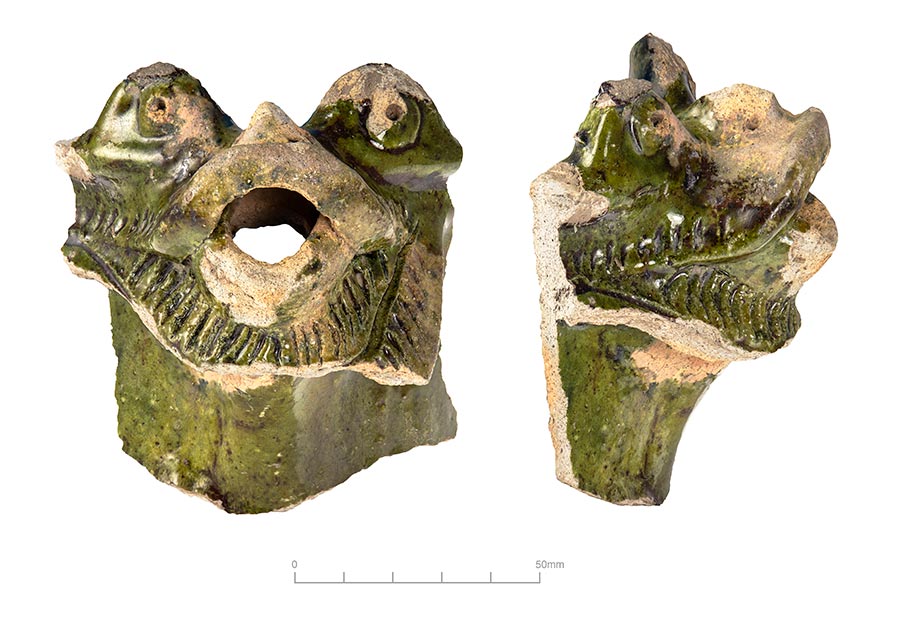
Pottery fragment from an unusual medieval bridge-spouted jug. It dates to the later 13th or early 14th centuries, and was probably intended to depict a dragon or other mythological creature
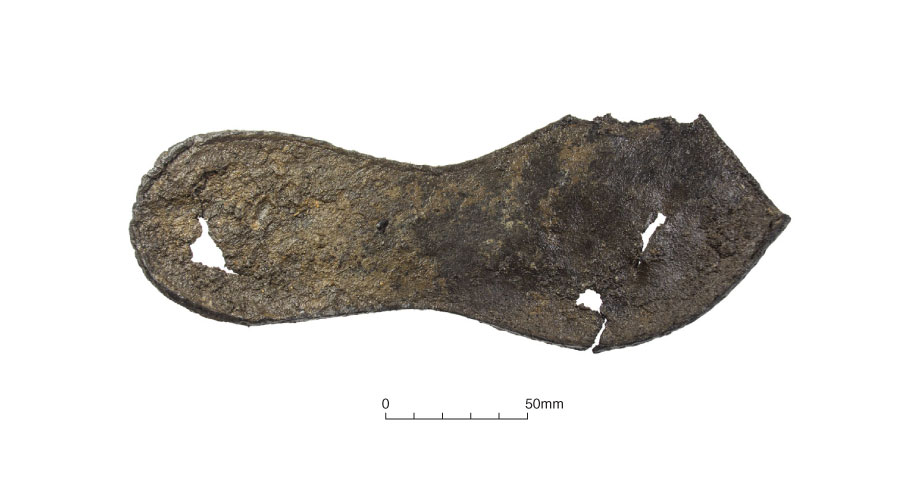
Leather shoe sole
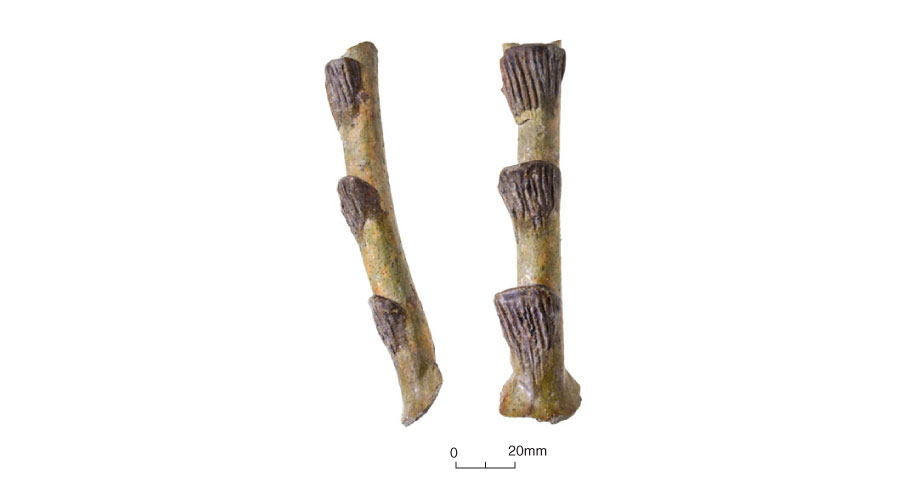
Pottery object
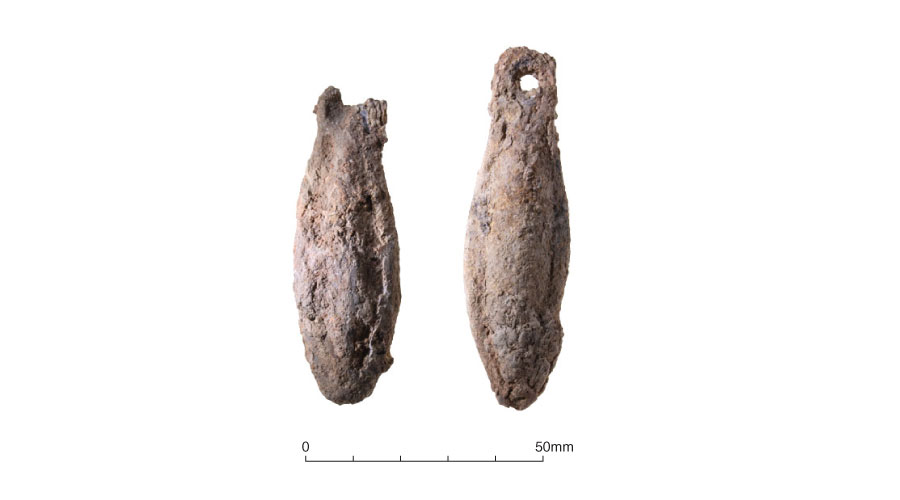
Lead weights
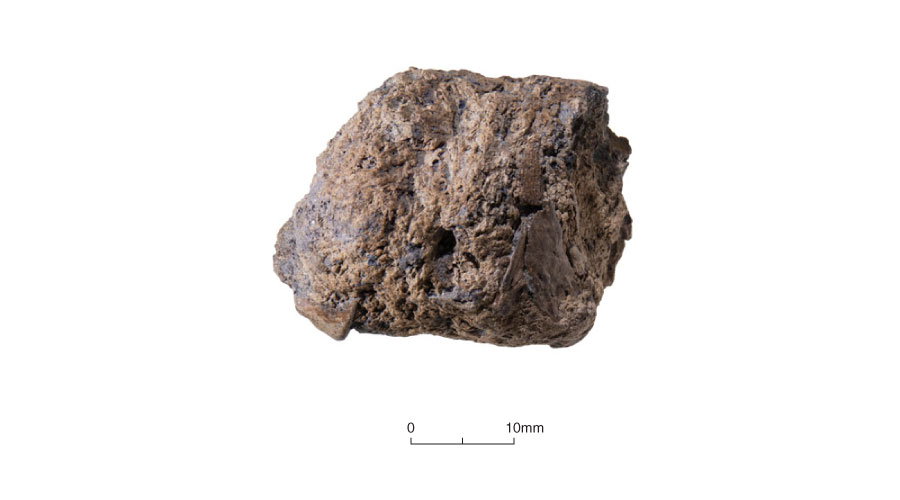
Mineralised poo, once analysed, this mineralised poo will be able to tell us what the residents ate, and how they prepared their food
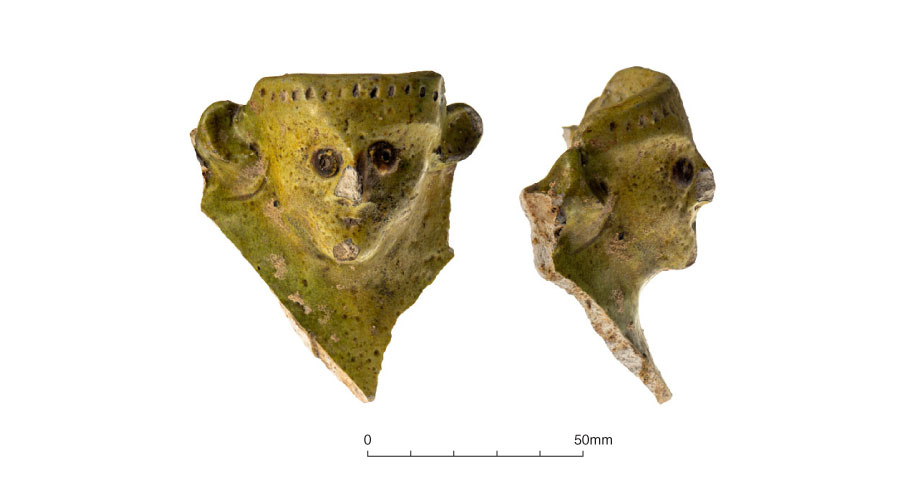
This face forms the spout of a wheel-thrown jug made of Bristol Glazed ware. This type of pottery was made on several sites in the city, including at Redcliffe, from the mid 13th to late 15th centuries
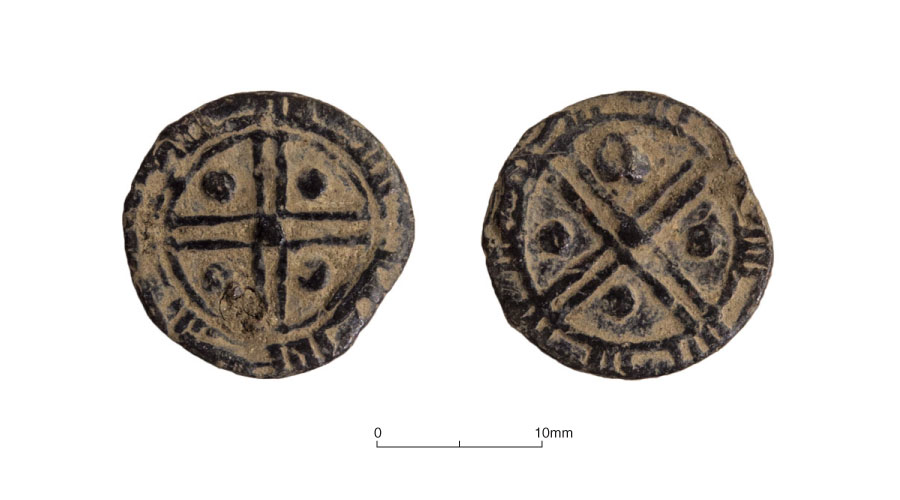
Lead alloy token, mimicking English coinage styles
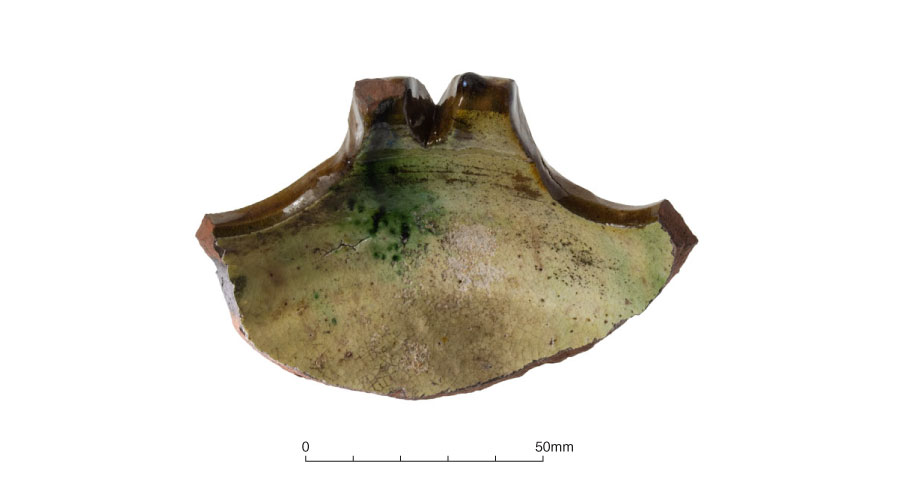
Chafing dish
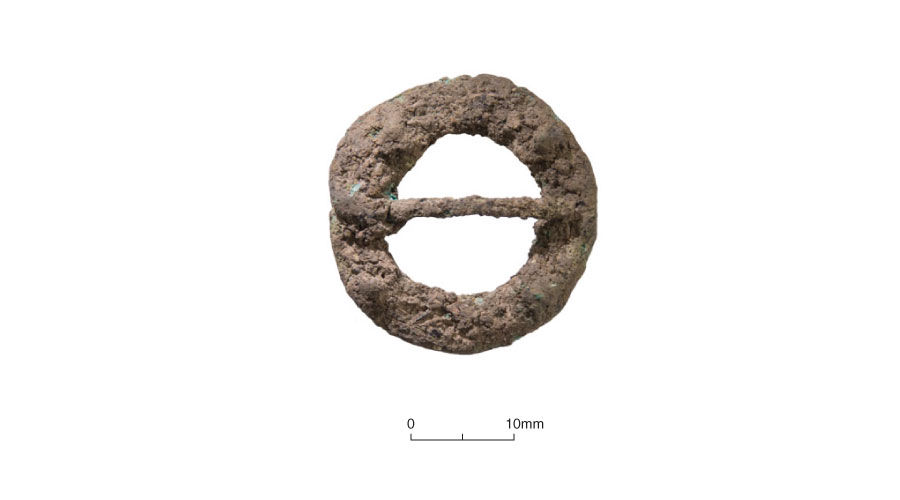
Annular brooch or buckle dating to the medieval period. The object can be categorised as a brooch if the frame has a constriction for the pin, if no constriction is apparent then it is a buckle

Spindle whorl made with animal bone
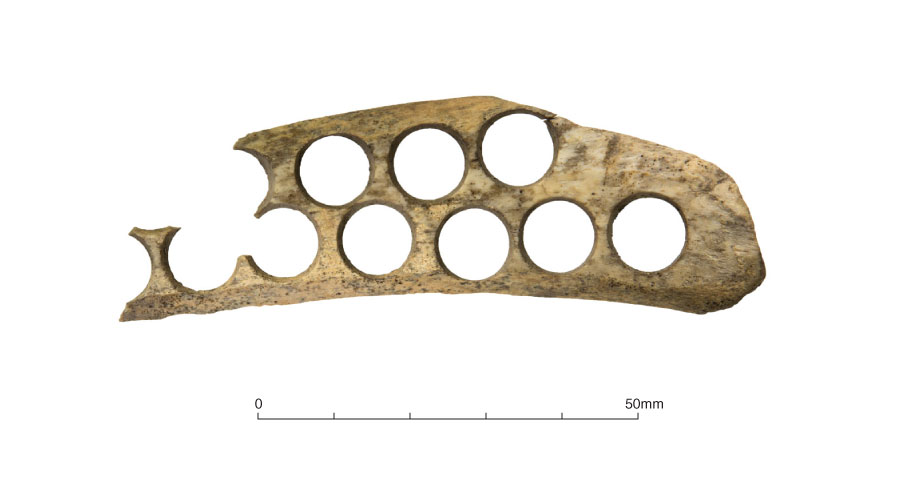
Worked bone piece used for button production, with the circular removals taken to produce individual buttons
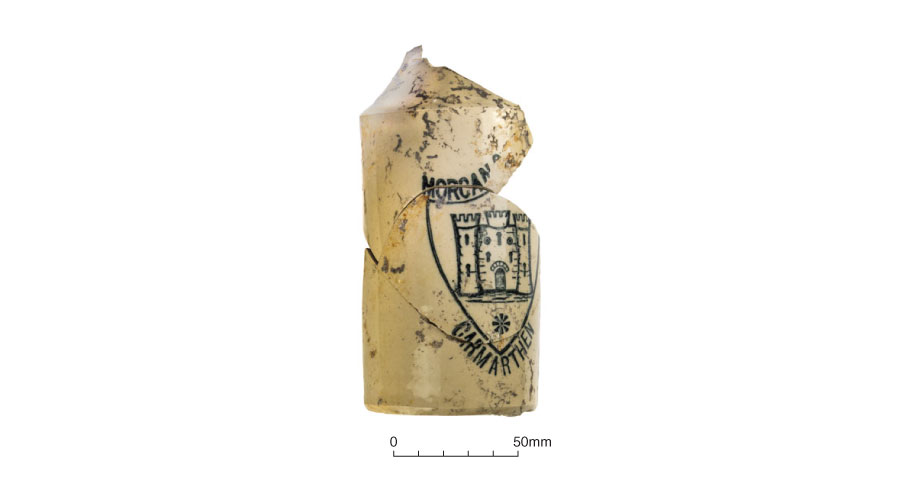
Mid to late 19th century English stoneware bottle from Morgan and Francis of Carmarthen (possibly ginger beer bottle)

Bone toggle

Stone ‘balls’. The stones have been deliberately shaped into spheres or balls but it isn’t clear what their function was or how old they are
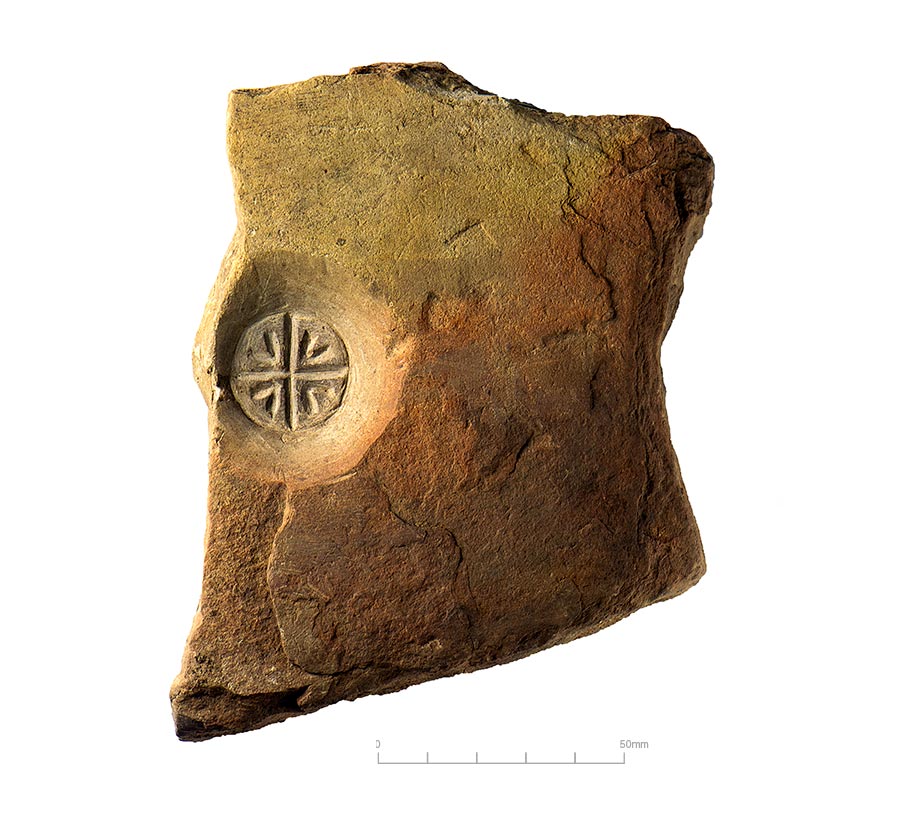
Stone jetton mould

Perforated whetstone

Saponified animal fat. Saponification is the process of creating soap and the production of glycerine and soap is what happens when animal fats or vegetable oils are mixed with a strong alkali
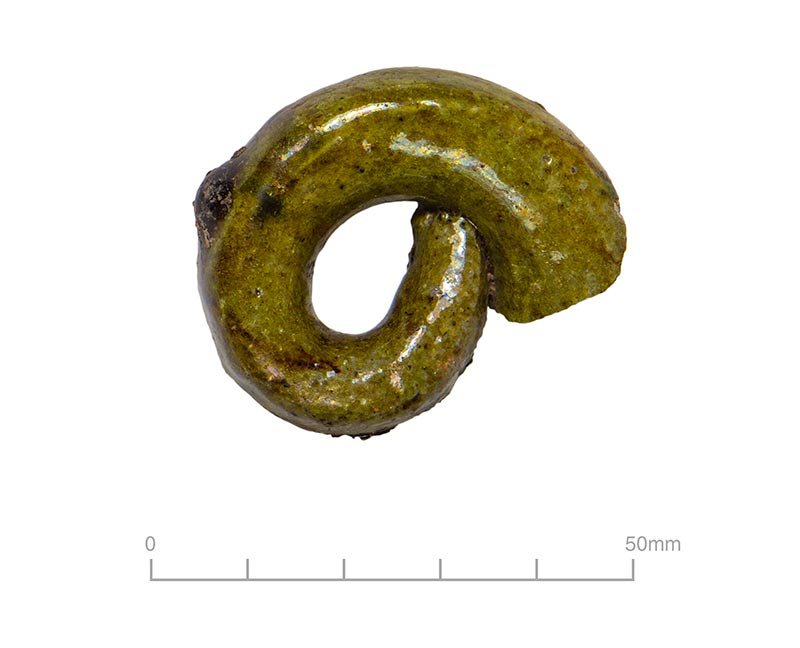
Aquamanile fragment. This green glazed medieval ‘curl’ is likely to represent a ram’s horn from a zoomorphic vessel – aquamanile. The vessel was designed to pour liquids, often for hand washing
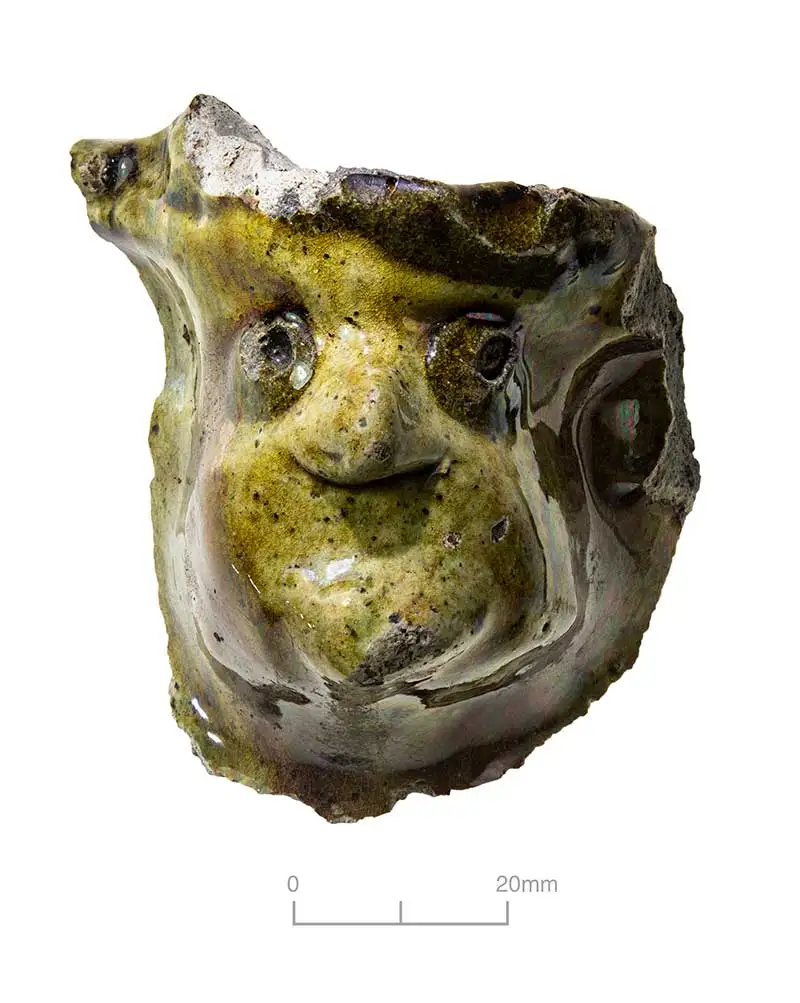
Face pot
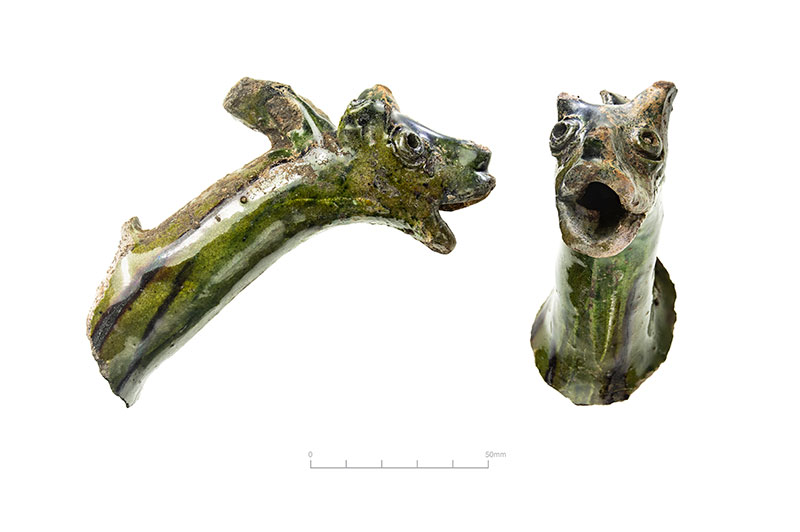
Dragon pot